Leprosy: Misunderstandings and Stigma Keep it Alive (Part 1)
WILLS POINT, TX – Gospel for Asia (GFA) Special Report (Part 1) – Discussing the misunderstandings and social stigma of leprosy that keep it alive, despite being a curable worldwide problem.
Leprosy. For many, a cloud of mystery, fear and shame surrounds this disease. It’s a disease that destroys nerves and deadens limbs to sensations of touch or pain, yet at the same time can trigger bouts of unbearable agony for the sufferer as infection exposes raw bones. It’s a disease that is difficult to contract, yet carries a stigma so strong that leprosy-affected people have been forced into isolation for centuries. Why is this disease so feared, and how can we help those who contract it?
 |
| Leprosy: Misunderstandings and social stigmas keep it alive, despite being a curable worldwide problem. |
What is leprosy?
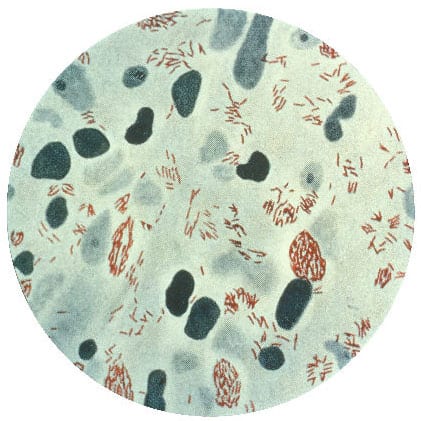
The first symptoms of leprosy are often eye damage, painless ulcers or patches of discolored skin with accompanying numbness in the affected area. Without intervention, leprosy may cause crippling of hands and feet, loss of limbs, tissue loss on the face and blindness.
The bacteria slowly attacks the nerves and will leave the one affected without the ability to detect pain. Their hands and feet will no longer notice the hot pot burning their palms, the sharp object penetrating their skin, or even a dislocated ankle as they go about their daily life. Wounds become infected, and tissue loss, degeneration or even amputation follows.
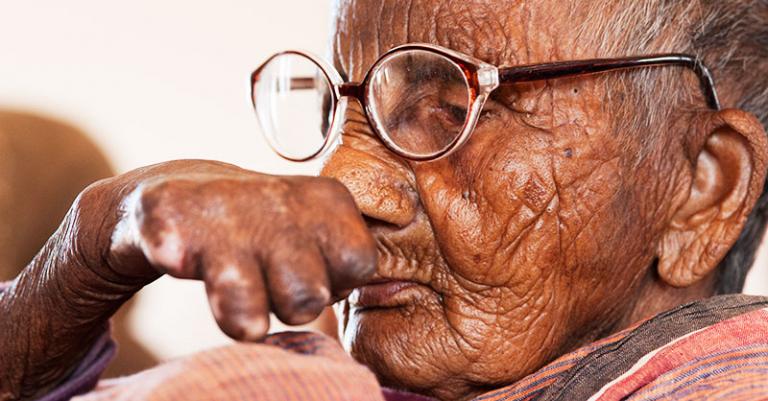
Hansen’s Disease, as we know it, has mutilated lives for thousands of years. Reports of leprosy go back as far as 600 BC.
In the Old and New Testament, the Israelites received instructions from God to remove leprosy from among their camp; and later, Jesus Himself touches and heals many people afflicted with leprosy.
Are there any differences between modern-day leprosy and the mentions of leprosy in the Bible?
Answers in Genesis (AIG), an apologetics ministry that provides answers to many questions about the Bible and topics like creation and science, released an article about biblical leprosy. The article, condensed from The Genesis of Germs by Dr. Alan Gillen, states,
“Biblical leprosy is a broader term than the leprosy (Hansen’s Disease) that we know today. The Hebrew tsara’ath included a variety of ailments and is most frequently seen in Leviticus, where it referred primarily to uncleanness or imperfections according to biblical standards. A person with any scaly skin blemish was tsara’ath. The symbolism extended to rot or blemish on leather, the walls of a house, and woven cloth.”
Many have believed the disease is the result of some great sin of the victim.
It is likely that the man with a withered hand in Mark 3:1–5 suffered from the leprosy we are discussing today. Cultures around the world have recorded the devastating effects of Hansen’s Disease: disfigured noses and facial tissue, blind eyes, missing fingers or toes, and hearts rent in grief and anguish.
Intensifying the trauma of the disease is the weight of guilt many sufferers carry. Over the centuries, many have believed the disease is the result of some great sin of the victim. Instead of kindness or pity, the human being—whose world has just shattered—receives a cold shoulder; a fearful stare; an invitation to hit the road, move to a “leper colony” and leave the life they knew before.
Click here, to read more about this article.
Click here, to read more blogs on Patheos from Gospel for Asia.


Comments
Post a Comment