Seeking Justice & Defending Human Rights (Part 3 by Gospel for Asia)
Wills Point, Texas – GFA Special Report (Gospel for Asia) – Discussing the large and small scale efforts and solutions to end inequality, social injustice, grinding poverty, human rights violations, that continues to exist, affecting millions of women, men and even children.
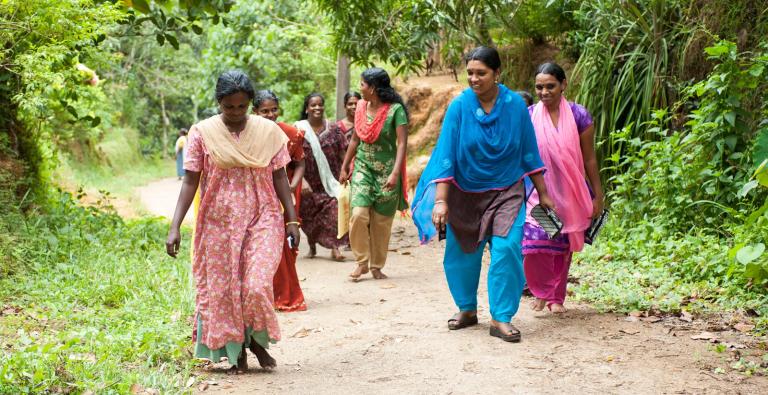
Small Steps, Big Change
In the face of such enormous inequalities, it can be difficult to know how to respond and where to start. But just as the problem of social injustice is not really a single, abstract issue so much as the many individuals it affects, so ending inequality is about changing personal circumstances as well as addressing the structures that allow inequality to continue.
That sort of action is taking place on large and small scales. At one end of the spectrum, the World Bank is supporting a $63 million empowerment project in Jharkhand, India, which aims to help adolescent girls and young women complete secondary-level education and acquire job skills.
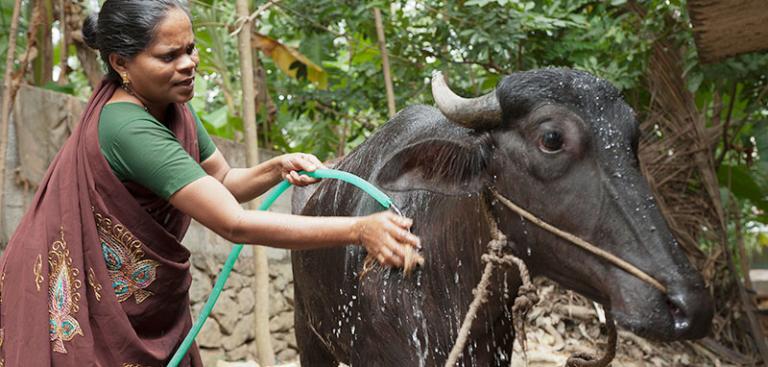
The “Jeevika” program launched a decade ago in Bihar, India, by the state and national Indian government has seen some 600,000 women helped to start small businesses as farmers, dairy and poultry producers and entrepreneurs in small businesses.
“These women are also emerging as a political and social force,” notes India Spend.
The 2016 Global Gender Gap Report by the World Economic Forum concludes that at its current rate of progress, it will take South Asia an entire millennium to reach gender equality in the workplace.
Increasingly aware of living in a globalized economy, where production is outsourced to where labor may be cheapest, some in the West are recognizing how their spending may affect the poor in other parts of the world.
“Ending inequality is about changing personal circumstances as well as addressing the structures that allow inequality to continue.”
Yet while encouraging Western consumers to challenge companies about their supply chain practices, to ensure they are not supporting sweatshop businesses, groups like ASI don’t advocate boycotts.
Such actions “can actually make the situation worse and undermine the economy of an already poor country,” says the organization. “As well as hurting employers using slavery-like practices, they could also hurt those who are not exploiting their workers, and worsen the [grinding poverty] that is one of the root causes of slavery.”
Click here, to read more about this article.
Click here, to read more blogs on Patheos from Gospel for Asia.


Comments
Post a Comment