Halting Hunger: World Food Day – October 16, 2018
October 16, 2018, marks the 38th anniversary of World Food Day. The date was selected to celebrate the anniversary of the establishment of the United Nations’ Food and Agricultural Organization (FAO) in 1945. On World Food Day, people from around the globe participate to declare their commitment to eradicating worldwide hunger during our lifetime.
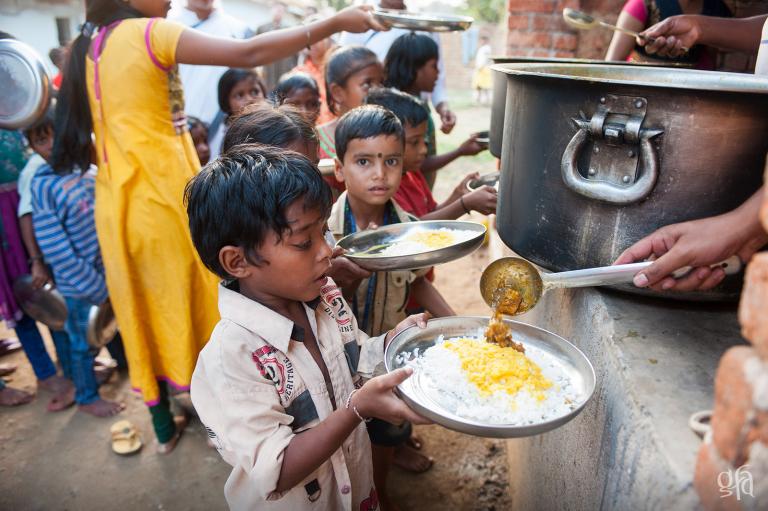
Hunger hurts. Numerous agencies are working to ensure that every individual around the world has continual access to nutritious meals. The United Nations cites eight reasons why eliminating hunger could change the world from the perspective of its global Sustainable Development Goals.
8 Ways Eliminating Hunger Could Change the World
- Zero hunger could save the lives of 3.1 million children a year.
- Well-nourished mothers have healthier babies with stronger immune systems.
- Ending child undernutrition could increase a developing country’s GDP by 16.5 percent.
- A dollar invested in hunger prevention could return between $15 and $139 in benefits.
- Proper nutrition early in life could mean 46 percent more in lifetime earnings.
- Eliminating iron deficiency in a population could boost workplace productivity by 20 percent.
- Ending nutrition-related child mortality could increase a workforce by 9.4 percent.
- Zero hunger can help build a safer, more prosperous world for everyone.
UNICEF is the world’s largest supplier of ready-to-use therapeutic food for malnourished children. The organization helped to increase the world’s supply of therapeutic food by more than 9,000 percent between 2008 and 2012.
Every day around the globe, 2,500 World Food Program (WFP) logistics staff members manage an average of 5,000 trucks, 30 ships and 50 aircraft; a network of 650 warehouses and a fleet of approximately 700 all-terrain trucks to support its efforts to deliver food where it is needed most.
Gospel for Asia provides healthy meals to children attending Bridge of Hope centers, widows, leper colonies, and families living in remote villages and urban slums. We do this because, as our friends at Food for the Hungry say,
“Our Christian belief [is] that every person has intrinsic value and that it is our responsibility to advocate for the poor and the marginalized.”
Click here, to read more about this article.
Click here, to read more blogs on Patheos from Gospel for Asia.


Comments
Post a Comment