Gospel for Asia: Widows Worldwide Face Tragedy, Discrimination (Part 1)
Wills Point, Texas – Gospel for Asia (GFA) Special Report – Discussing the plight of widows worldwide as they face tragedy, discrimination, and suffering.
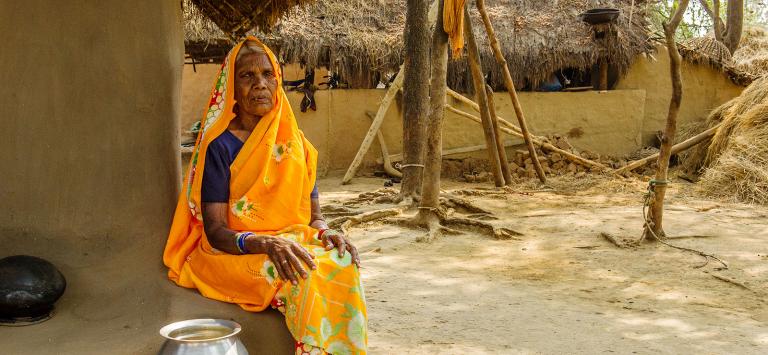
Accounts of the humiliations, insults and indignations suffered by widows worldwide would make anyone cringe.
Gulika, a widow in Asia, experienced helplessness after the people in her village turned their backs on her after her husband’s death.
A woman in Nigeria was harassed by her brother-in-law asking for documents of her house before her husband’s body even left for the funeral home—and then insisted she had to leave.
Another Nigerian woman’s husband lay in a hospital bed when her sister-in-law demanded a huge amount of money from their bank account. When the wife refused, her in-law swore she would regret it.
“Three days after, my husband died, his family descended on me, took his cars away and emptied the house.”
In connection with last year’s International Widows Day, CNN spotlighted the cases of seven widows, ranging from a woman in Nepal to a widow in India to the spouse of a U.S. serviceman killed 12 years ago in Iraq. Their stories varied, but they faced the same plight: difficulties with grief and loneliness, forms of ostracism, financial struggles and hopelessness.
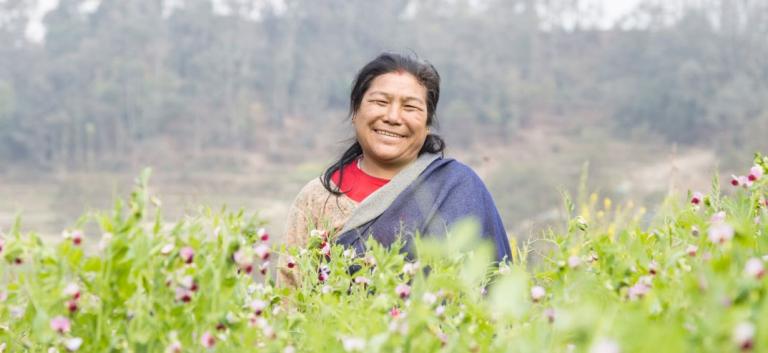 |
| Santu Kamari Maharjan of Nepal struggled greatly because she was a widow, until Women for Human Rights helped her and 14 other women start an agriculture business. (photo credit Womankind Worldwide via CNN.com) |
The widow in Nepal, Santu Kamari Maharjan, then 55, had lost her husband to kidney failure years before. With young children to support, she had to work in people’s fields to clothe and feed them. (She had to sell her own field to pay for her husband’s medical treatment.) Her sisters-in-law would taunt her. As difficult as that was, then a serious earthquake in 2015 left her with no income—until the nonprofit Women for Human Rights helped her and 14 other women to build a bamboo shelter to start an agriculture business.
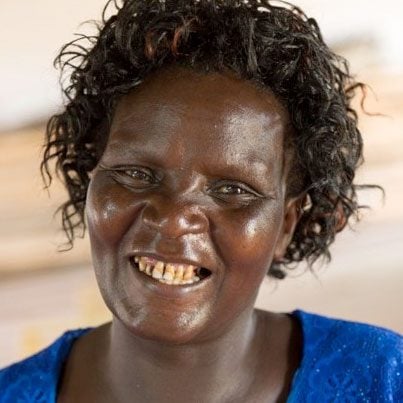
“Being a widow is not easy, It is very sad, and the pain of missing your husband is always there. I don’t want to go through the same experience again. That is why I would not ever remarry. It is enough that I have my son.”
– Purita Carlos in an interview with CNN [1]
In other media coverage, headlines alone give an indication of the situation facing so many widows:
Afghan widows ‘would rather die’ [2]
Agonies of widows hit by harsh Nigerian traditions [3]
Stories of survival: Widows of India’s farmer suicides [4]
USA: Social Security underpays thousands of widows and widowers [4]
Kenya: Where becoming a widow is the worst thing that can happen to you [6]
Widows Are at the Bottom of the Pile
Of the estimated 285 million widows in the developing world, more than 115 million live in abject poverty. [7] Eighty six million have suffered physical abuse, according to Cherie Blair, president of the UK-based Loomba Foundation, established in 1997 to empower widows and educate their children. In addition, 1.5 million children whose mothers have been widowed will die before they turn 5 years old. Considering the average widow has three children and six other family members, the wider impact affects more than a billion people, about one-seventh of the world’s population.

Gospel for Asia reported on one widow named Gulika and her plight. [9] While Gulika didn’t live an extravagant lifestyle, her husband, Manan, earned an adequate income working as a tailor. That all changed the day Manan hurried across some railroad tracks, unaware of the train just around the bend.
The sorrow of losing her husband was compounded by the reaction of others in her village in Asia. Believing Gulika was cursed, many feared that even passing by her on the street could bring them bad luck. Not surprisingly, Gulika fell into emotional despair. Still, she had to uphold her duties as a daughter-in-law, including retrieving water for the family. The nearest source was an old well a third of a mile walk from home.
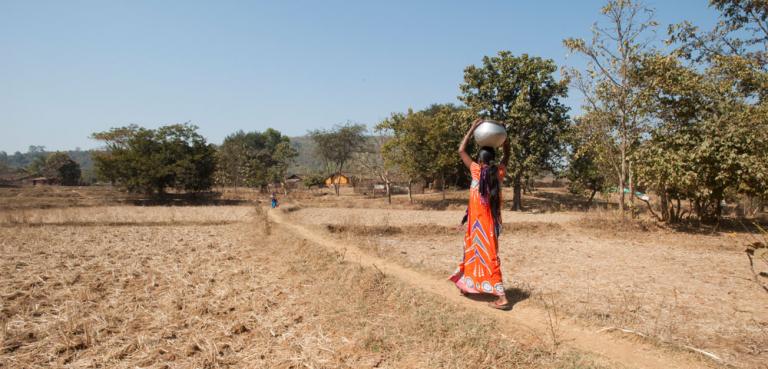 |
| Like this woman, Gulika walked long distances to gather water for her in-laws. |
Collecting water was a grueling chore, and not just because of the lengthy walk. Women and girls feared going out alone because of the potential danger of men taking advantage of their vulnerability. Some days, Gulika faced harassment from her neighbors, and she didn’t always come home with enough water.
Gulika’s story has a happy ending: A Gospel for Asia-supported pastor arranged for a new water well to be drilled in front of her home.
Click here, to read more about this article.
Click here, to read more blogs on Patheos from Gospel for Asia.


Comments
Post a Comment