Gospel for Asia: Scandal of 21st Century Slavery & Human Trafficking (Part 2)
Wills Point, Texas – GFA Special Report (Gospel for Asia) – Discussing the horrors of modern day human trafficking, slavery and forced labor throughout the world.
Human Trafficking: Cashing In on Chaos
Like a virus, human trafficking continues to mutate. Women have long been considered to be the main victims, and that is certainly true in the sex trade, where they comprise 99 percent of those used and abused.
However, GRETA (Group of Experts on Action against Trafficking in Human Beings) found that, in some countries, labor trafficking has emerged as “the predominant form.” And while there are “considerable variations in the number and proportion of labour trafficking victims amongst evaluated countries, all countries indicated an upward trend of labour exploitation over the years.”
As the numbers of those trafficked for forced labor have increased over the last decade, so has the number of trafficked men, who can be subject to particularly brutal treatment. Survivors of forced labor in the Thai fishing industry have told of being made to take amphetamines to enable them to work long hours and of being dragged through the water with a rope around their neck for complaining.
Those who tried to escape were executed and their bodies thrown overboard.
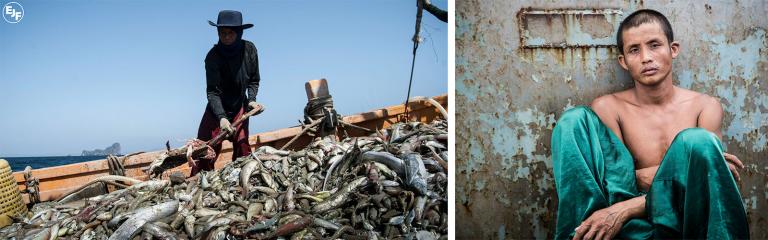 |
| Some men working on fishing boats in Thailand are subject to forced labor and brutal working conditions, according to recent Human Rights Watch research. (Photo credit Environment Justice Foundation) |
Human trafficking has also grown and morphed in the wake of the refugee crises in Europe and parts of Africa and Asia.
“Refugees and unaccompanied children are some of the most vulnerable targets of labor and sex traffickers,” warns the UN.
Mass movements of people in times of great upheaval leave many vulnerable to being taken advantage of and provide opportunities for traffickers to move even more freely.
“In the chaos of conflict and violence, a perfect storm of lawlessness, slavery, and environmental destruction can occur—driving the vulnerable into slave-based work that feeds into global supply chains and the things we buy and use in our daily lives,” say the GSI publishers.
“Modern forms of slavery prosper in these environments of conflict, corruption, displacement, discrimination and inequality,” they add. “Given this, it is critical that national and international responses to humanitarian emergencies and mass migration take account of the very real risks of modern slavery on highly vulnerable migrant and refugee populations.”
“In 1850, an average slave in the American South cost the equivalent of $40,000 in today’s money. Today a slave costs about $90 on average worldwide.”
If selling trafficked bodies is grievous, then selling trafficked body parts is gruesome, but it happens. As many as 7,000 kidneys are illegally obtained by traffickers every year as demand outstrips the supply of organs legally available for transplant, says Fight Slavery Now. This organization references a refugee camp given the nickname Kidneyvakkam, or Kidneyville, because so many women there had sold their kidneys.
“A black market thrives as well in the trade of bones, blood and other body tissues,” says the organization.
A particularly disturbing aspect of human trafficking is how often perpetrators take advantage of people’s hopes and desires to prosper. Many migrant workers are lured from their home country by promises of a new life—only to find a darker reality.
Maya was 22 when she fled the fighting in her native Syria, destined for Lebanon where she had been promised a job working in a factory. But upon her arrival, she found herself forced into prostitution with many others, enduring “severe physical and psychological violence,” before finally being rescued.
It’s all too common for migrants trying to get into a new country without the proper papers to be tricked by those claiming to help them, but they are not the only ones to find they have been duped.
Hundreds of welders and pipe-fitters who were recruited to help fix oil rigs damaged by Hurricane Katrina arrived in the United States legally—some having paid as much as $25,000 in recruiting fees for the opportunity.
But upon arrival, things were very different. They found themselves in an isolated, barb-wired compound with armed guards, where they were forced to live in crowded shipping containers—as many as 24 men in one unit—and for which they were charged $1,000 monthly rent. Underfed, they had to work round the clock for virtually nothing by the time a slew of deductions was made from their wages.
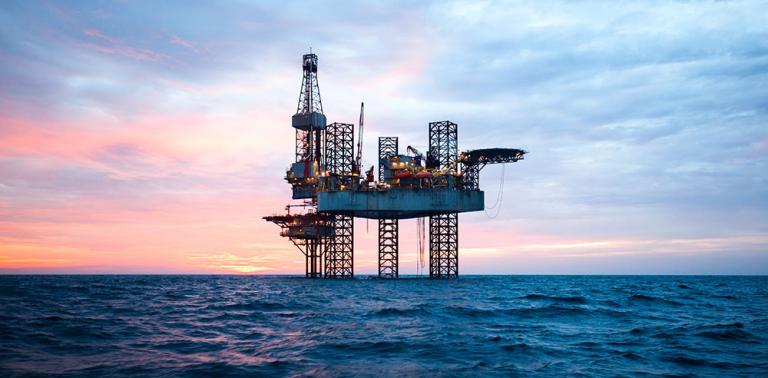 |
| After 2005’s Hurricane Katrina, Signal International allegedly recruited hundreds of workers to fix oil rigs like this one—but unfortunately many of the workers were forced into terrible working conditions with little pay. |
Traffickers lure their victims with false promises and then keep them imprisoned, sometimes literally and sometimes by threats of violence. When victims have been taken to a different country, they can be reluctant to go to the authorities for help for fear of being deported. As a result, traffickers may not keep their victims in locked rooms but “hide them in plain sight,” knowing they will not try to escape.
Click here, to read more about this article.
Click here, to read more blogs on Patheos from Gospel for Asia.


Comments
Post a Comment