Gospel for Asia Reports: Fighting Malaria – A Chilling Disease (Part 1)
Wills Point, Texas – GFA Special Report (Gospel for Asia) – Discussing the fight against malaria, prevention via mosquito netting and medical care to combat a parasitic genius.
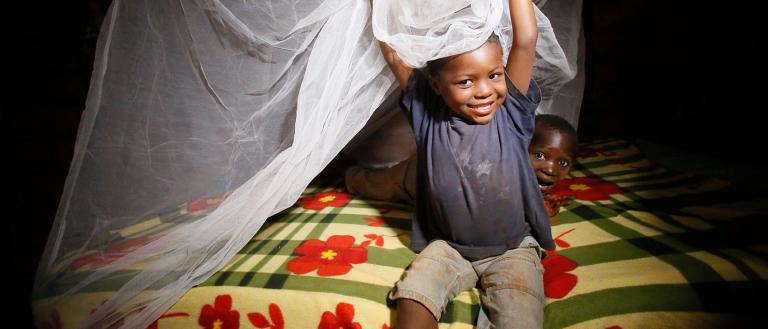
Fighting Against Malaria
Though eradicated in many developed nations, malaria still claims thousands of lives around the world. One victim who survived this mosquito-borne disease compared its chills to “lying down between two blocks of ice.”
Each year, more than 400,000 people don’t survive those terrifying shudders.
As part of its long-term goal to eradicate malaria, this year the World Health Organization (WHO) is launching the first field test of a vaccine in real-world settings. Known as RTS,S, or Mosquirix™, the United Nations agency says this is the first vaccine shown to provide partial protection against malaria in young children by acting against the deadliest parasite globally. It will be made available to select residents of three countries in Africa, the continent linked to the highest number of cases. In addition to combating it, the organization hopes to train a spotlight on the need for dramatically increased funding for the fight against malaria.

“Clearly, to get the response back on track, increased funding is urgently needed from international donors and endemic countries. Critical gaps in access to tools that prevent, diagnose and treat malaria must be found and filled.”
To get an idea of the obstacles presented by malaria, consider the toll during 2016. Worldwide, there were 216 million cases, an increase of 5 million over the previous year. The death toll of 445,000 nearly matched that of 2015.
Although $2.7 billion was invested in the fight against malaria in 2016, WHO estimates a minimum of $6.5 billion will be needed annually by 2020.
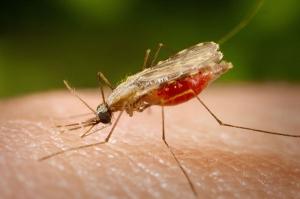
Severe cases in children can include severe anemia and respiratory distress, while in adults, the disease can affect multiple organs. Without treatment within 24 hours, certain kinds of malaria can cause death.
The Centers for Disease Control (CDC) says malaria occurs mostly in poor tropical and subtropical areas of the world and is a leading cause of illness and death in those regions. Some 3.3 billion people live in areas at risk of transmission.
Although Africa is home to the majority of cases, the problem exists across the globe, as evidenced by its presence in 91 countries. For example, to the east of the continent, CDC maps show malaria is prevalent across South Asia. That includes all of Laos, Bangladesh and India (except at higher elevations), and much of Cambodia and Pakistan (below 2,500 feet altitude). It is also present in areas of eastern Indonesia and some areas of Thailand, Vietnam, Burma (Myanmar) and Papua New Guinea.
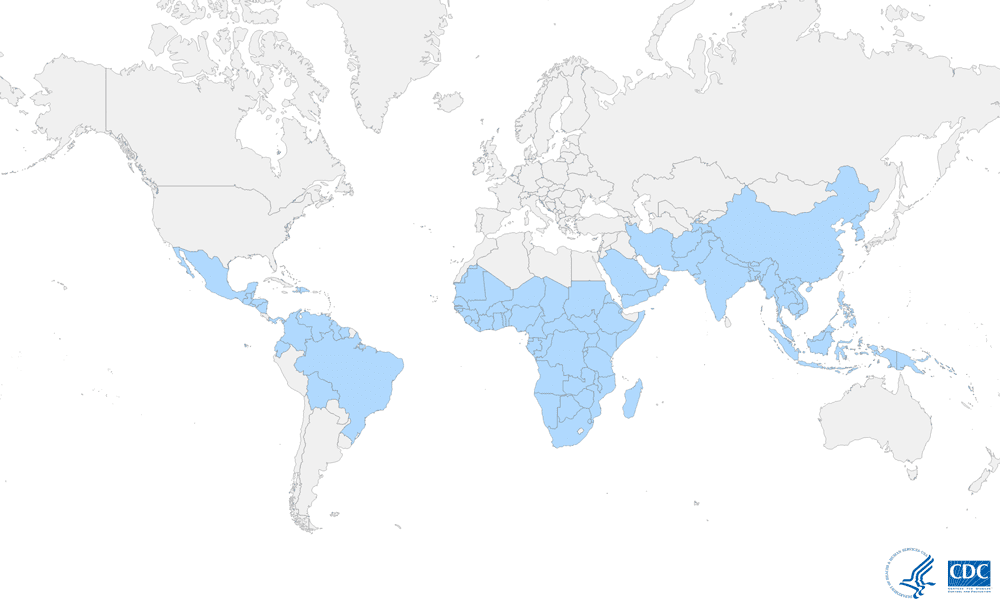 |
| The CDC Malaria Map shows where malaria is prevalent in the world. |
Even in the United States, which largely eradicated the problem in the early 1950s, the CDC says 1,700 cases are diagnosed annually. The majority are among travelers and immigrants returning from countries where transmission occurs, many from South Asia and sub-Saharan Africa. There were also 63 outbreaks of locally transmitted, mosquito-borne malaria between 1957 and 2015.
This fight goes on despite the awarding of five Nobel Prizes in physiology or medicine for work associated with malaria between 1902 and 2015. Small wonder that a National Institutes of Health researcher once commented, “In its ability to adapt and survive, the malaria parasite is a genius. It’s smarter than we are.”
Click here, to read more about this article.
Click here, to read more blogs on Patheos from Gospel for Asia.


Comments
Post a Comment