7 Things You Didn’t Know About Gospel for Asia Supported Bridge of Hope Centers
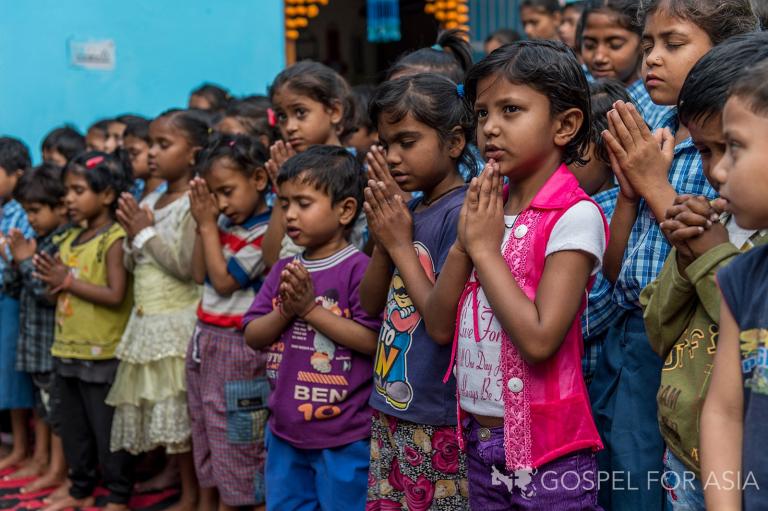
Wills Point, Texas – GFA (Gospel for Asia) – Discussing how GFA-supported Bridge of Hope centers change the lives of children, their families, and in turn their communities.
1.8 million Indian babies succumb to death annually from effects of malnutrition and diseases.
150,000 infant deaths per month
34,615 deaths per week
4,945 deaths per day
206 deaths per hour
The sad plight of the surviving children living in poverty in South Asia is impossible for our minds to comprehend unless we have seen it with our own eyes.
These children wake up every morning in squalor, waste, rubbish and odors—not unlike survivors of a tornado, hurricane or earthquake experience. The major difference for these children is that every morning is the same. For these children and their families, there is no likelihood for a better future. There is no hope.
GFA-supported Bridge of Hope centers have been changing the prospects for the lives of tens of thousands of children every year since 2004.
Most people familiar with GFA’s Bridge of Hope Program can summarize the work as education, nutrition and healthcare. Certainly, Bridge of Hope centers provide these three key elements, but they do much more than that.
Here are 7 things you may not have realized that Bridge of Hope centers provide:
- Emotional Growth - Bridge of Hope staff seeks to help each child achieve emotional maturity and a sense of confidence that are essential strengths for a balanced life. Children are encouraged not to base their future on the past, but to move on to their full potential.
- Building Character - Bridge of Hope emphasizes a disciplined, value-based environment, which builds character. The goal is to prepare children to become good responsible citizens of their nation. The children regularly learn moral values and manners that enable them to respect authority and care for the needs of others.
- Social Responsibility - The children at Bridge of Hope centers are taught social awareness through participation in rallies and programs on social issues such as HIV/ AIDS, tuberculosis, illiteracy, child labor and unhealthy habits such as smoking, drinking and tobacco use.
- Assisting Parents - Staff invest not only in the children but also in their parents. Staff members visit parents and conduct special training programs for them. Topics covered include general awareness on child care, health and hygiene, good parenting, child labor and family planning.
- Equipping Parents - Bridge of Hope offers parents literacy and tailoring classes so they can earn a better living and improve their circumstances and those of their family.
- Vocational Training - Bridge of Hope helps parents learn how to succeed in self-employment by providing them with self-sustainable gifts such as livestock, sewing machines, bicycles and push trolleys for street vending.
- Community Involvement - Bridge of Hope centers provide opportunities for children and their families to improve and care for their surroundings by planting trees and helping neighbors.
More than anything else, the millions of children in South Asia need to know they are loved, that someone cares about them and they can have a life filled with a real hope for a better future.
Click here, to read more about this article.
Click here, to read more blogs on Patheos from Gospel for Asia.


Comments
Post a Comment