South Africa Day Zero Water Crisis – An Interview
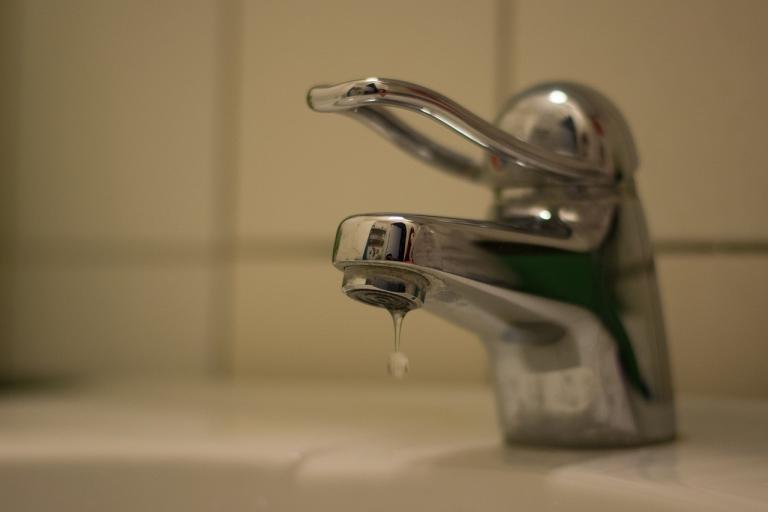
PORT ELIZABETH, South Africa – The world has been watching as Cape Town and other cities in South Africa have been preparing for Day Zero, the day when their public supply of potable water will no longer be available. Amid the preparations, residents are taking mandated precautions to avoid the impending disaster. Many are praying for divine intervention as South Africa endures the longest drought in its history.
Circle of Water’s latest update says, “Farmers in South Africa’s Western Cape province have had to trim water use by 60%, and as a result, agricultural production is expected to be down 20% this year. Wheat production has been the hardest hit – it may be half of last year’s harvest, forcing wheat imports to double. The drought will reduce exports of apples, pears and grapes, and the lack of rain will continue to put stress on the Western Cape’s renowned wine industry. Officials in South Africa are hoping to make their water last until the rainy season, while fine-tuning conservation to better manage water for the future.”
We reached out to Andre Barnard, the Gospel for Asia (SA) representative in Port Elizabeth, for a first-hand look at the situation. Following are excerpts from our conversation:
GFA: Given the size of Cape Town it seems to be getting the most publicity about Day Zero. How is the crisis affecting the Eastern Cape and Port Elizabeth?
Recently an Eastern Cape farmer said to me: “I have been farming for 50 years and have never seen a sheep’s lips bleeding because of trying to get to grass between rocks.”
An article from the Port Elizabeth Herald, a local newspaper, said the following about farmers in the Eastern Cape: “They have already reduced their livestock numbers drastically – even slaughtering their breeding flocks and herds.” Several smaller towns have no water at all.
GFA: What restrictions are in place on water usage?
André: Water restrictions and increased fees for excess water usage are in force to reduce usage. Port Elizabeth residents are asked to use only 60 liters (15.8 gallons) of water per person per day. (The average shower uses 22 liters of water per minute.) We currently are allowed 60 liters per person per day. Any usage above this is charged at much higher rates.
GFA: How are citizens taking the shortage?
André: The majority are very good and are doing their best to save as much water as possible. Many people have installed water reservoirs/tanks to collect rain water from their roofs.
GFA: How do they feel about the restrictions?
André: People do not like restrictions, but it’s something we just have to accept.
GFA: Do the local Christians have a different perspective than others on the situation?
André: Yes, Christians do have a completely different perspective. We know and acknowledge that God is in control, that He is the maker and giver of rain. I believe only God can create life and only God can create life-saving water.
GFA: Are you aware of any people for whom the shortage is currently a hardship?
André: The irrigation farms in Hankey, Patensie, and the Gamtoos Valley are facing huge problems because of the low water level in the Kouga Dam which is a major source of water for irrigation
GFA: Is there a sense of panic?
André: Oh yes, I have seen photos of people stock piling drinking water.
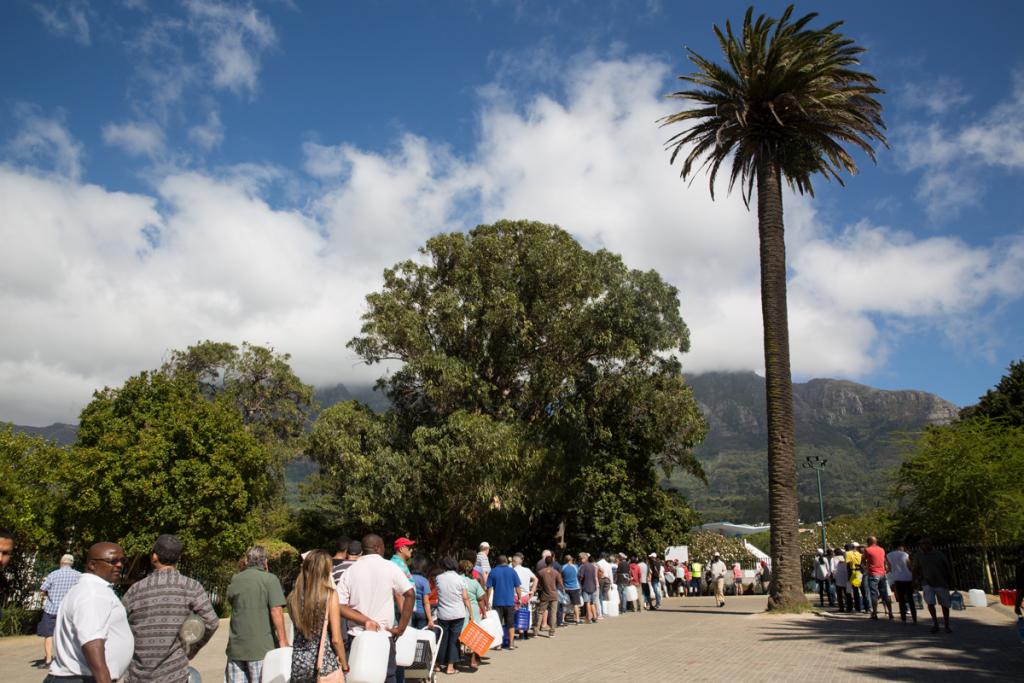 |
| Cape Town / South Africa – January 25, 2018: Lines of people waiting to collect natural spring water for drinking in Newlands in the drought in Cape Town South Africa |
GFA: Other than a dwindling supply of water, how else is the drought affecting daily life?
André: I think it has forced people to become more aware of their natural environment and the importance of conserving and protecting the water resources given to them by God. More people are acknowledging God as the only hope we have for rain.
Click here, to read more about this article.
Click here, to read more blogs on Patheos from Gospel for Asia.


Comments
Post a Comment