Remarkable Fathers
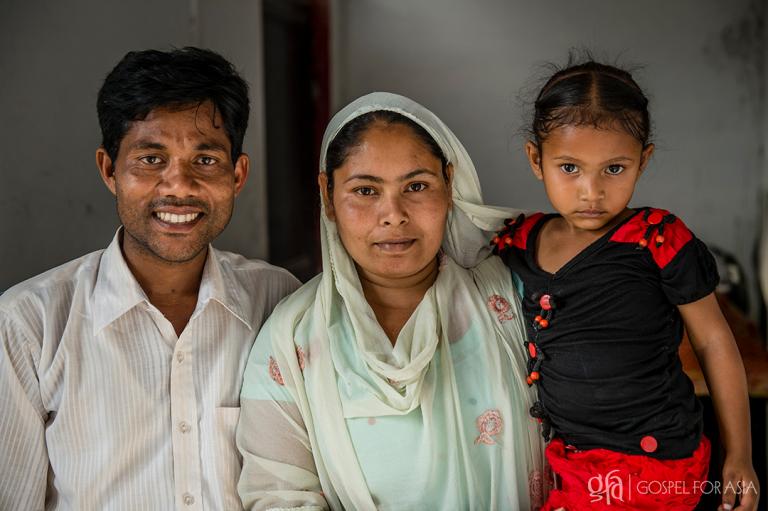
“You fathers—if your children ask for a fish, do you give them a snake instead? Or if they ask for an egg, do you give them a scorpion? Of course not!” (Luke 11:11–12 NLT)
One of Jesus’ disciples had asked Him to teach them how to pray. On that occasion, Jesus gave them a format for prayer that some call “The Lord’s Prayer” and others refer to as “The Model Prayer.” Christ’s comment quoted above serves as an exclamation of how remarkable our Heavenly Father is.
Having just taught them to ask God for daily sustenance, Jesus used the illustration of how earthly fathers would respond to the same request from their own sons. He reasoned with them that if a father would gladly give his children the essentials of life how much more would a thrice-holy Father respond in goodness, grace and kindness?
We can infer that Jesus expected even sinful fathers would treat their children with kindness, although that kindness could not compare to the remarkable love of our Father in Heaven.
The Measure of a Remarkable Father
It doesn’t take a lot of Googling to discover that there is very little information about how to measure a father’s performance or success. That begs the question, then, of how to measure remarkable. A definition of the distinguishing adjective turned out to be a good starting point.
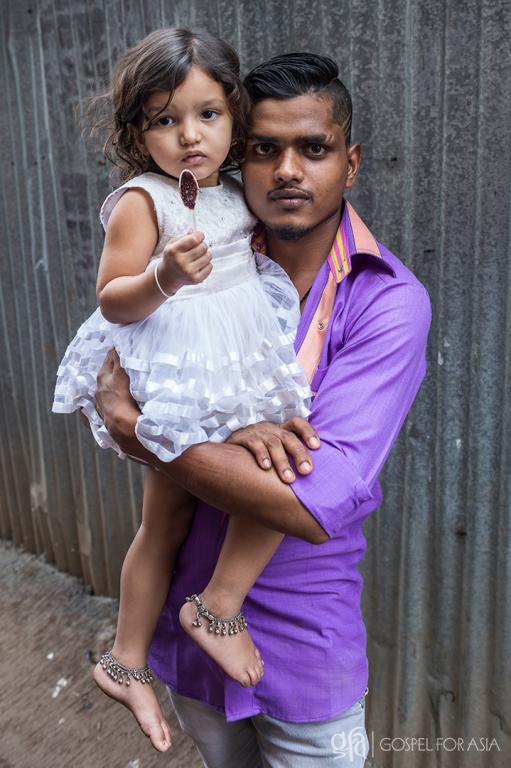
Good fathering is most easily defined as not being characterized by bad fathering. However, good fathering is significant because “About 80 percent of the world’s men and boys will become fathers in their lifetime. Their actions throughout their children’s lives can have profound effects for the good.” Here is a sampling of fathering statistics from the 2017 State of the World’s Fathers, prepared by MenCare, a global campaign to promote men and boys’ involvement as equitable, non-violent caregivers.
- Between 133 and 275 million children per year witness different forms of violence in their home.
- One-third of women around the world experience violence from “a male partner.”
- 75 percent of children aged 2–14 experience “violent discipline” in the home.
- Men who witness or experience violence as children are about 2.5 times more likely than others to perpetuate violence against partners later in life.
Assuming the correctness and continuity (no change in percentages) of the foregoing statistics, we would expect that more than 687 million men will be violent fathers in their homes by 2029.
Other compelling statistics that does not bode well for successful fathering come from the National Center for Fathering.
- There are more than 24 million married fathers with children in the U.S.
- The number of single-father households increased nearly nine-fold from 1960 to 2011 to 2.7 million.
- The number of children with a father in prison increased by 77 percent from 881,500 in 1991 to 1.5 million in 2007.
- 25 percent of working fathers spend less than an hour a day with their children.
A 2009 report from the National Center reported that:
- Only 64 percent of those polled believed that American fathers “have a good picture of what it takes to be a good father.”
- Only half believe that most fathers know “what is going on in their children’s lives.”
- 97 percent believe that fathers need to be “more involved in their children’s education.”
Click here, to read more about this article.
Click here, to read more blogs on Patheos from Gospel for Asia.


Comments
Post a Comment