Gospel for Asia Identifies Clean Water Problems Around the Globe
Gospel for Asia (GFA), Wills Point, Texas, Special Report 3/4
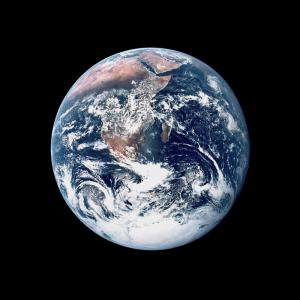
So let us take a deep breath. Let us think a moment about that peaceful and stunning NASA photo: AS17-148-22727.
This headline tagged a report released by the Associated General Contractors (AGC): “Both Public and Private Studies Find Astounding Gaps Between Current Spending and Projected Needs.” The analysis determined: “Modernizing and replacing aging water infrastructure may be the single largest public works endeavor in our nation’s history. The U.S. Environmental Protection Agency’s Clean Water and Drinking Water Infrastructure Gap analysis found a $540 billion gap between current spending and projected needs for water and wastewater infrastructure (combined) over 20 years. Other public studies conducted by the Government Accountability Office (GAO) and the Congressional Budget Office (CBO), and a private study produced by AGC partner, the Water Infrastructure Network, have similarly estimated the nation’s water infrastructure needs to range between $400 and $600 billion over a 20-year period.
The 2014–2017 Flint, Michigan lead-poisoned water crisis highlights possible impacts on communities if warnings are ignored and if appropriate budget planning is not prioritized. (“What is happening to us in Cape Town may not be an outlier. It could happen to you too.”) We need to understand that water degradation and evaporation and infrastructure decline is happening to us now.
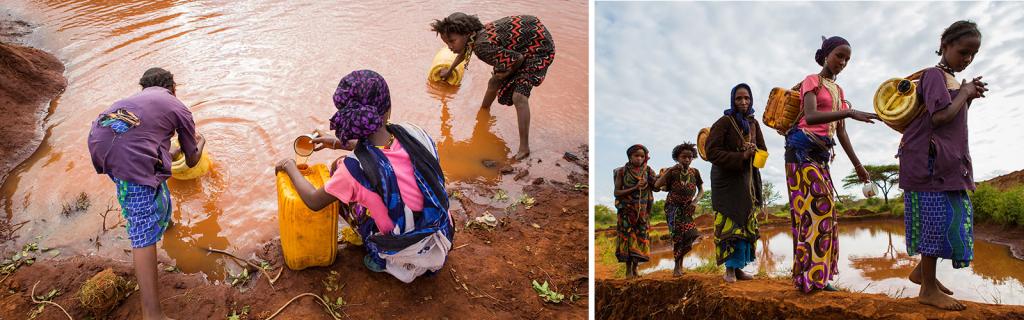 |
| In Gayo Village, Ethiopia, a group of women and young girls collect water from a rain water pool. They use tablets to purify the water before they drink it. Around the world, mostly women and children bear the burden of collecting water for their families. |
So what is the status of clean water worldwide? According to the World Health Organization, some of the global facts regarding safe water usage are these:
- 71% of the global population in 2015 (5.2 billion people) used a safely managed drinking-water service—that is, one located on premises, available when needed, and free from contamination.
- 89% of the global population in 2015 (6.5 billion people) used at least a basic service. A basic service is an improved drinking-water source within a round trip of 30 minutes to collect water.
- 840 million people lack even a basic drinking-water service, including 159 million people who are dependent on surface water (water from rivers and ponds).
- 2 billion people globally use a drinking water source contaminated with feces.
- 502,000 deaths every year are caused by diseases transmitted by contaminated water such as diarrhea, cholera, dysentery, typhoid and polio.
- 38% of health care facilities lack an improved water source in low- and middle-income countries. 19 percent do not have improved sanitation, and 35 percent lack water and soap for hand-washing.
In addition to these above statistics, WHO also notes that “Yet diarrhea is largely preventable, and the deaths of 361,000 children aged under five years could be avoided each year if these risk factors were addressed. Where water is not readily available, people may decide handwashing is not a priority, thereby adding to the likelihood of diarrhea and other diseases.”
Is Anyone Doing Anything?
Certainly, organizations somehow, somewhere, are doing something about this? Right? This is the natural response of those of us who unthinkingly use clean water to flush our toilets and allow grey water to be piped into the sewer systems of our communities.
Actually, that thought many of us have when we read about water-distressed systems worldwide is right. Well-meaning help of all kinds, from missionary groups to hundreds if not thousands of non-government organizations to the World Bank and the United Nations to the World Health Organization to inter-agency coordinated efforts to private foundations with substantial granting means to individual governments to the largess of western countries—all of them are players in attempting to solve the water problems of the world.
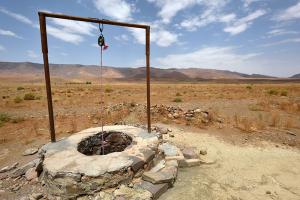
- The equivalent of up to $360 million USD has been wasted on building borehole wells that break because they are not maintained or repaired.
- Only one third of water points built by NGOs in Senegal’s Kaolack region are working, and 58 percent in northern Ghana are in disrepair.
- Disrepair occurs because NGOs often do not fully consult with local people before beginning a water project to determine what it will cost to clean and maintain the well.
Some naysayers have deemed this come-do-your-thing-and-go approach as “non-government organizational malfeasance.” Skinner gives the example of a badly constructed and poorly maintained shallow well, dug by a charity in Katine sub county in north-east Uganda, that was full of soil and animal feces and was making the local population sick. The African Medical and Research Foundation’s strategy to solve this well deficiency was to set up a local committee responsible to operate and maintain a new borehole with trained hand-pump repairmen available in case of breakdown. “There is no point in an external agency coming in, putting in a drill-hole and then passing it over to the local community if they can’t afford to maintain it over the next 10 or 20 years,” concludes Skinner.
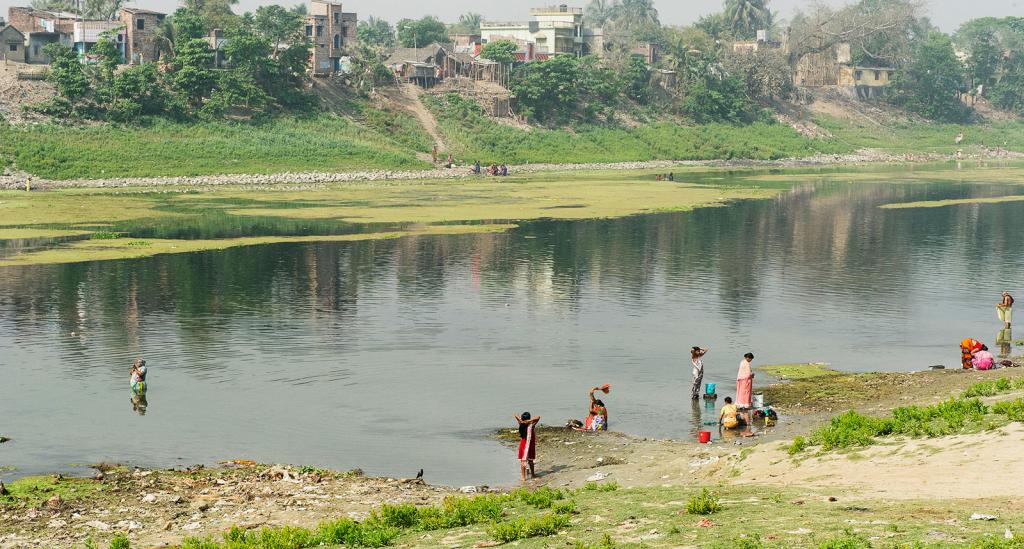 |
| A river in India is often used for bathing, washing and drinking. |
Click here, to read more about this article.
Click here, to read more blogs on Patheos from Gospel for Asia.


Comments
Post a Comment