Girls’ Education in Asia Often Sacrificed to Fetch Clean Drinking Water for Their Families
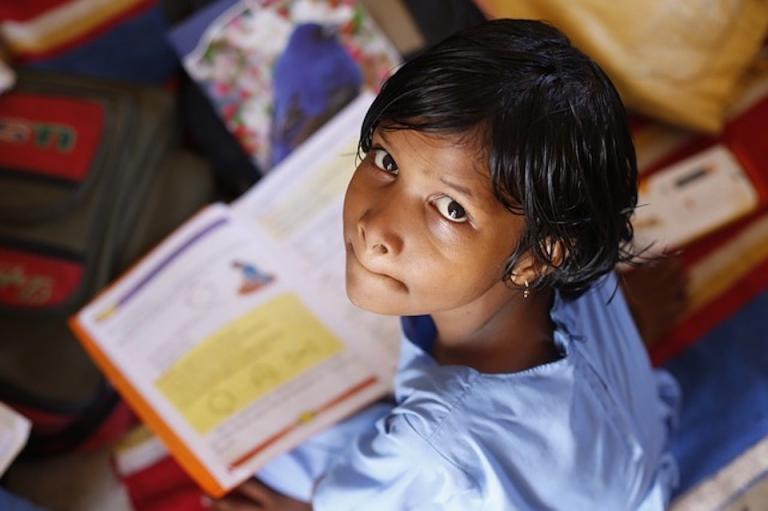 |
| Education for young girls in Asia is often sacrificed for family roles like fetching clean drinking water for their families. |
Tens of thousands of young girls in Asia drop out of school every year. Half of them stop attending at the primary school level, and The Times of India says the number is rising. Several factors affect the likelihood of girls graduating. But the drinking water crisis remains a constant threat.
According to the United Nations, women and girls in rural Asia bear the overwhelming majority of responsibilities for finding and carrying clean drinking water. It’s not a minor chore, not like walking a few steps to a well and carrying it back inside the home. Clean, disease-free water is often miles away. Fetching safe drinking water is a necessary full-time job that comes at the expense of education, among other serious risks.
GFA’s clean water initiatives does more than give families better access to water that’s safe to drink. It gives girls the freedom to focus on life-changing education that can help them achieve their dreams of a future that is above the poverty line.
Much of Asia’s Water Has an Extreme Level of Contamination
As one of the most densely populated countries in the world, the water crisis in Asia affects hundreds of millions of people. One of the primary reasons behind the contamination is a lack of sanitation facilities. The situation is improving, but it’s still a crisis.
Although World Bank statistics show that the practice of open defecation has steadily declined in the 21st Century, there are still places where half the population still has no sanitary toilets. With open defecation, surface and ground water sources take on harmful pathogens and parasites that cause illnesses and even death. Water.org says 500 of Asia’s children die every day from diarrhea that comes from contaminated water.
The problem isn’t just a lack of understanding about contamination, it’s more a lack of access to basic human needs. Water is essential for survival, and clean water is scarce. Thankfully, some Asian nations, such as India, have an educational campaign to curb open defecation and encourage people to use toilets. But when no facilities exist, there’s no other choice.
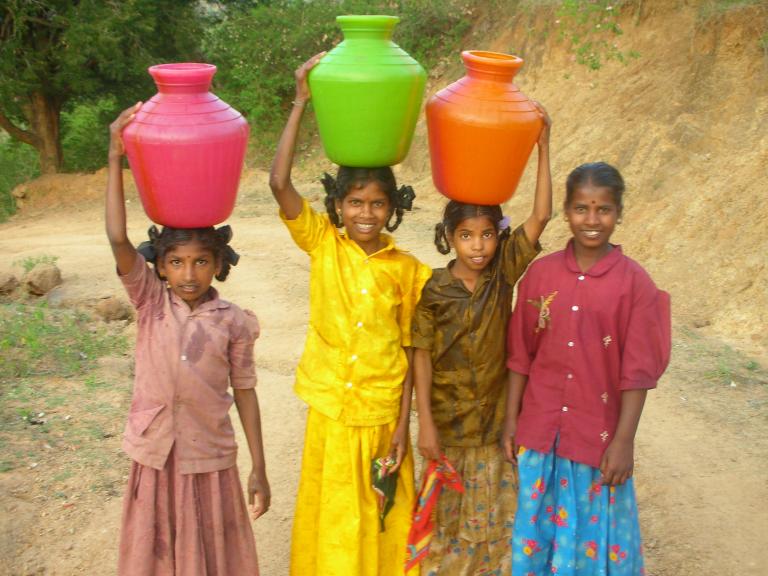 |
| Young girls in Asia are expected to fetch clean drinking water for their families, often at the expense of being in school |
Fetching Drinking Water is Considered Part of Domestic Life in Asia
Water for drinking, cooking and bathing must come from somewhere. In the Western world, it comes from a tap. In rural Asia, carrying water is an integral part of domesticity. It’s also a full-time job. Child labor in Asia is unlawful in most situations, but laboring for the family’s survival is different. When the family is in need of clean drinking water, education can and often does go by the wayside.
A clean source, such as a well that’s deep enough to go beneath ground water contamination, is often miles away. Unfortunately, there are only so many hours in a day. The trip to and from a source can consume the better part of it.
Click here, to read more about this article.
Click here, to read more blogs on Patheos from Gospel for Asia.


Comments
Post a Comment