Can We End Violence Against Women?
The United Nations Declaration on the Elimination of Violence Against Women ratified in December 1993 defines violence against women as “any act of gender-based violence that results in, or is likely to result in, physical, sexual, or mental harm or suffering to women, including threats of such acts, coercion or arbitrary deprivation of liberty, whether occurring in public or in private life.”
The Scourge of Violence Against Women
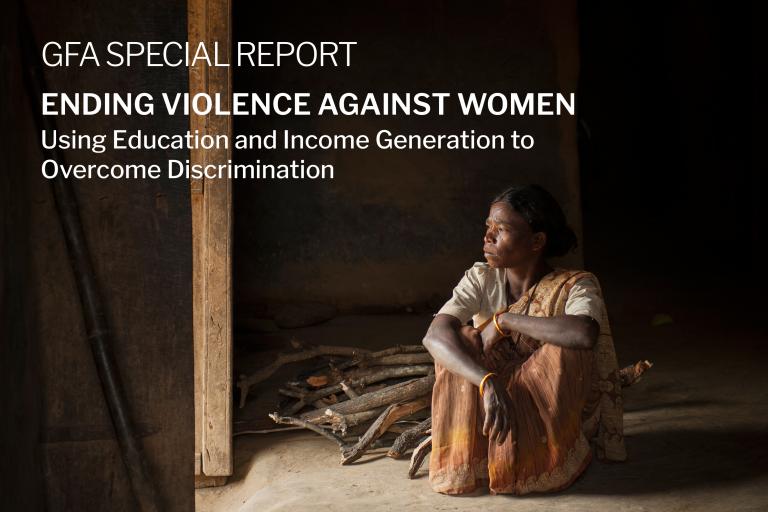
On February 23, 2018, Gospel for Asia published a Special Report entitled, “Ending Violence Against Women.” The report cited data from the World Health Organization (WHO) that indicated that “the prevalence of violence against women in (South Asia) is at 37.7 percent, compared to 23.3 percent in high-income countries and 24.6% in the Western Pacific region.”
Other information from WHO includes findings that,
- “Women are more likely to experience intimate partner violence if they have low education, exposure to mothers being abused by a partner, abuse during childhood, and attitudes accepting violence, male privilege, and women’s subordinate status.”
- “Men are more likely to perpetrate violence if they have low education, a history of child maltreatment, exposure to domestic violence against their mothers, harmful use of alcohol, unequal gender norms including attitudes accepting of violence, and a sense of entitlement over women.”
The UN declaration is 25 years old, and numerous countries have implemented or have attempted to implement national legislation that complies with the UN declaration, yet violence against women continues, largely unabated if not increased.
The Scope of Violence Against Women
A January 2016 article in The Guardian noted that a rise in violent crime in England and Wales was driven by a hidden growth in violence against women. Nine months later, The Guardian published another article indicating that crimes of violence against women have increased by 10 percent between 2015 and 2016, reaching a record high.
Consider that these reports come from high-income countries where the prevalence of violence against women is at 23.3 percent (see paragraph 2). We have been unable to find any indication that the trend is any different in other parts of the world. In fact, a paper released by the Department of History, Global Studies at Carnegie Mellon University in 2015, reported a 59 percent increase in violence against women in one South Asian country in the 10 years between 2001 and 2011.
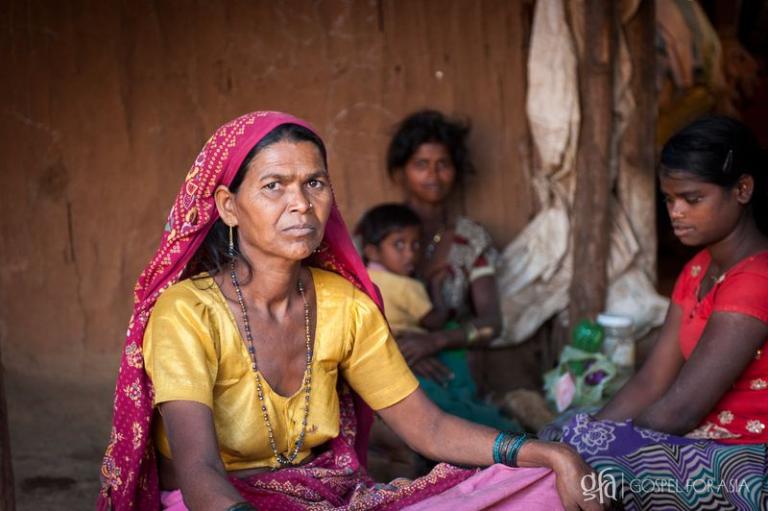
In Afghanistan, an estimated 87 percent of women have experienced physical or sexual abuse.
Many people in the Western World are unable to comprehend the scope of violence against women because it goes beyond the parameters of our understanding to include female infanticide, sex-selective abortion, human trafficking, rape, honor killings, mutilation, dowry violence, debt bondage, and a cultural perpetuation of caste systems even where they have been outlawed for years, that are not common to our cultures.
Click here, to read more about this article.
Click here, to read more blogs on Patheos from Gospel for Asia.


Comments
Post a Comment