Why Is Clean Water Important?
According to National Geographic, “More than 70 percent of the earth’s surface is covered in water.”1 Yet there is a global water crisis in which 1.1 billion people do not have access to safe drinking water.2 How can this be? Why is clean water important?
Consider the following statistics:
- National Geographic reports, “About 159 million around the world people collect their drinking water directly from surface water” (i.e., lakes, ponds, rivers), which is often unsafe to drink.3 Half of them live in sub-Saharan Africa.4
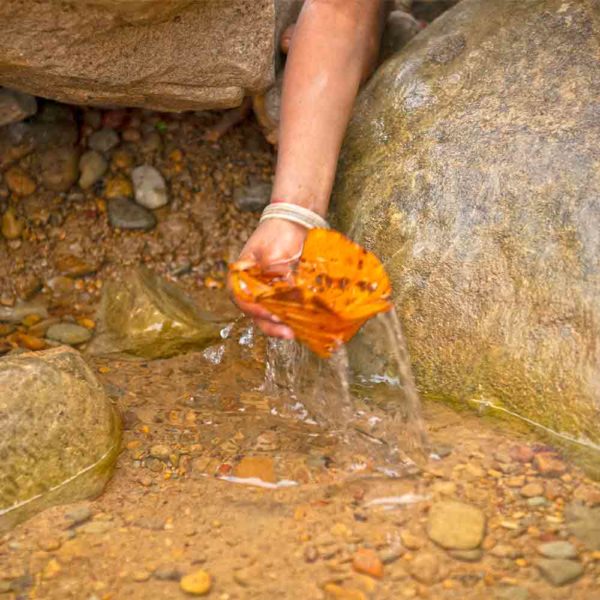
- Many water sources in developing regions contain fecal matter, arsenic or other pollutants.5
- Worldwide, nearly 1 billion people practice open defecation, which is a major contributor to water contamination in these areas.6 The World Health Organization estimates, “At least 2 billion people use a drinking water source contaminated with faeces.”7
- 68 to 84 percent of water sources in South Asia are contaminated.8
- Half of rural households in Africa lack access to safe drinking water.9
- In developing countries, “Water-related diseases are the most common cause of illness and death,” says the World Water Council.10

- Unsafe water leads to waterborne diseases such as diarrhea, typhoid, cholera and dysentery. Approximately 1.8 billion people, 90 percent of which are children under the age of 5, die every year from diarrheal diseases, which are often caused by unclean water.11 Tens of millions of others become seriously ill from such diseases.12 Many of these illnesses, and deaths, are preventable.
- Children have higher metabolisms, and their bodies contain proportionately more water than adults. Diarrhea, which depletes the body’s fluids, claims the lives of approximately 1.5 million children every year in developing areas such as Africa and South Asia.13
Click here, to read more about this article.
Click here, to read more blogs in Gospel for Asia.Com


Comments
Post a Comment