Well Drilling
The demand for clean, safe water calls for well drilling. Many companies are involved in water well drilling to make a profit, but nonprofits like GFA World drill deep, efficient wells and provide free water for those most in need.
About 2 billion, or 1 out of 10 people, need access to safely managed drinking water; 771 million of them don’t have basic drinking water services.[1] At least one month a year, about 4 billion people face severe water scarcity.[2]
Meanwhile, global water use has been increasing at an average of 1% annually since the 1980s. It’s expected to continue to rise, ultimately leading to an increase of 20-30% above the current use.[3]
Lack of access to clean water perpetuates the cycle of poverty.
African women living in poverty regularly walk 4 miles a day to retrieve this essential resource, transporting 40 pounds of water.[4] This steals time and energy from girls and women who could otherwise be attending school or working.
When piped water isn’t available to communities, the best option to provide access to clean, drinking water comes from wells. Proper water well drilling offers life-saving water to drink, cook with, wash with and water crops and farm animals.
In more primitive times, people dug wells by hand. But, they could only dig so deep; many of these shallow wells dried up, especially during droughts. They also lacked casing, which seals out contaminants.
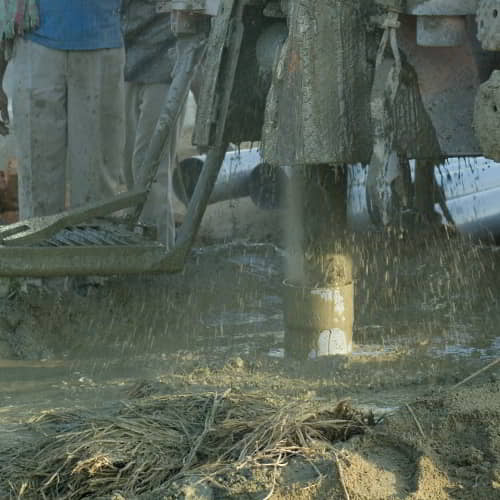
While the average residential well is only 100-300 feet deep,[5] GFA World drills Jesus Wells to depths of 600 feet or more. This ensures water continues to flow through the pumps every single day of the year, even during droughts.
According to the United Nations, “improving water resources management and providing access to safe and affordable drinking water and sanitation for all is essential to eradicating poverty, building peaceful and prosperous societies and ensuring the ‘no one is left behind’ on the roads toward sustainable development. These goals are entirely achievable, provided there is a collective will to do so.”[6]
For decades, GFA World has been ministering to the neediest in Asia by providing clean water, literacy training, medical care, education and more. Our Jesus Wells help break the cycle of poverty by freely providing clean water for around 300 people per day.
Click here, to read more about this article.
Click here, to read more blogs in Gospel for Asia.Org


Comments
Post a Comment