Sponsor a Girl: Education Is Key
For many little girls in the United States and wealthier countries, when asked what they wanted to be when they grew up, it was assumed they would receive an education and go on to find an occupation they loved. Yet, in certain parts of the world, a girl is far from guaranteed an education. She waits and hopes for a sponsor. A girl’s education path is not the norm in many developing countries.
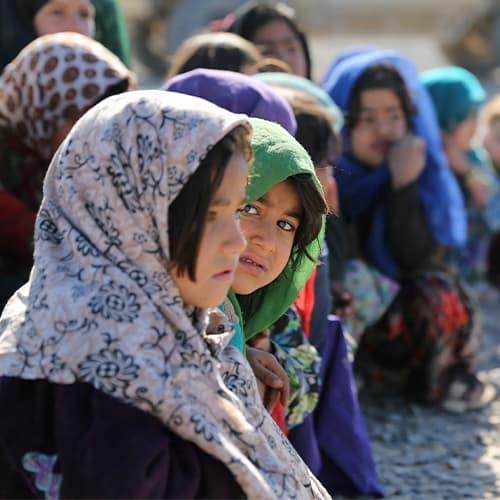
“Despite substantial progress over the last two decades, girls still have on average lower levels of educational attainment than boys in many countries, especially at the secondary and tertiary levels,” noted a joint report published by the Global Partnership for Education.[2] “Low educational attainment affects girls’ life trajectories’ in many ways. Girls dropping out of school early are more likely to marry or have children early, before they may be physically and emotionally ready to become wives and mothers. This may affect their own health. It may also affect that of their children,” the report revealed.
For a girl, child education might begin, but when her family is faced with difficult financial decisions, a male sibling’s education is often put first. UNICEF reports that with the investment in the education of a girl, child marriage drops significantly.[3]
Making sure girls are educated results in these benefits[4]:
- The lifetime earnings of girls dramatically increases
- National growth rates rise
- Child marriage rates decline
- Child mortality rates fall
- Maternal mortality rates fall
- Child stunting drops
Girls’ education in South Asia has been recognized as a needing improvement. So much so that in August 2009, one country’s parliament had passed the landmark Right to Education Act which made education free and compulsory for children between the ages 6 and 14. For a time, this helped get more girls into school, even if it didn’t keep them there.[5]
Barriers unaddressed by laws include cultural expectations, major safety concerns, hygiene issues and more. Those around the girls must be diligent to make sure girls make it into school, continue school, and finish school as the they will likely fight an uphill battle the whole way.
Click here, to read more about this article.
Click here, to read more blogs in Gospel for Asia.Net


Comments
Post a Comment