Rural Women Still Suffer from Multi-Dimensional Poverty Reports Gospel for Asia (GFA)
For those of us who love words—and for whom numbers are a kind of ugly stepbrother—the data, nevertheless, often speaks for itself. In some parts of India, for instance, the ratio of 1,000 men per 800 women is due to routine female murders through infanticide, gender-based abortion, the dowry system where some 10,000 women are murdered annually when they cannot provide the required capitol for marriage, or/and the lack of proper medical care. In 2013, mortality rates of Indian women in childbirth were 167 per 100,000 births, contrasted with only 25.5 deaths in the United States.
The statistics, those “pesky” numbers, go on and on. Without a doubt, they prove that in much of the developing world, women are still considered a sub-species. Yet, numbers can summate the other way; they can become numerical digits of hope, the mathematical consequences of surveys and thousands of interviews, and the scientific measurements of outcomes—indices that prove that dire poverty is being overcome in much of the world, and the status of women and girls worldwide is improving.
Indeed, one of the surprising statistics, welcomed by those who believe in the potential of girls and women, is that the countries that educate their female population see a consequent rise in their national economic well-being, the GDP. Educated women raise healthier children, find ways of increasing family incomes, then spend some 90 percent of that income on their family’s well-being.
According to the World Bank, the return on one year of secondary education for one girl correlates with as high as a 25 percent increase in wages later in life. A class of educated girls achieving a grade-school education will naturally reduce poverty, not only in their own families but in their whole communities. Send the girls to school! The numbers testify to the outcomes.
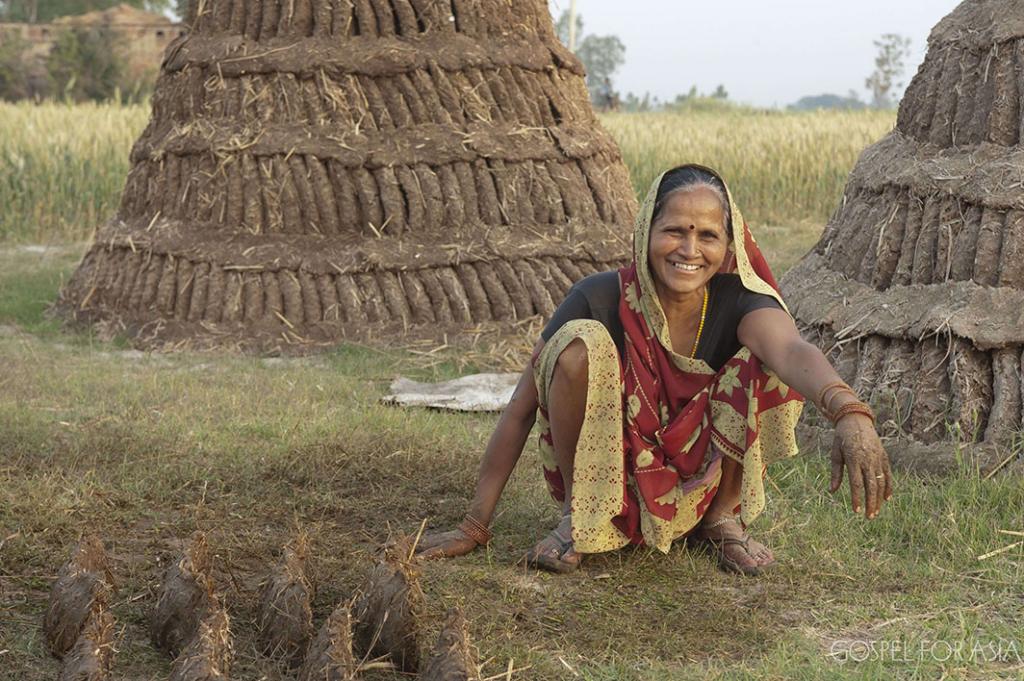
According to the United Nations, this day, October 15, has been set aside as the International Day of Rural Women. Women account for a substantial proportion of the agricultural labor force, comprising some 43 percent of it; yet, they still bear responsibility for most of the household and family burdens and are increasingly carrying extra burdens, as men travel to areas where job possibilities are more promising.
Yet in much of the world, even in those countries which have been upgraded from developing to developed status, rural women still suffer from multi-dimensional poverty. Due to discriminatory policies, women farmers have less access than men to land rights that secure ownership, to agricultural education and training, to loans and financing, to water and other sources of energy, to new and helpful technologies, to exposure that introduces agriculture that is climate resilient, and to creating communities that are prepared to respond to disasters such as drought or flooding.
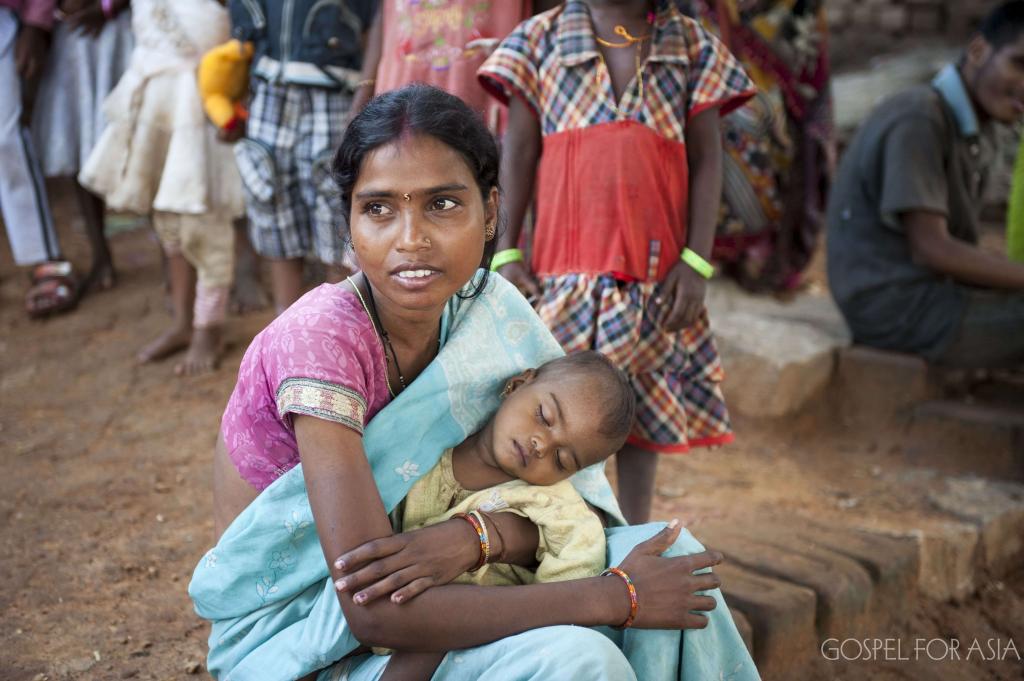
The good news is that conditions of extreme poverty are decreasing in much of the world, the bad news is that some 1 billion people who continue to live in unacceptable levels of poverty are heavily concentrated in rural areas. The estimates by the folk who study these kinds of indicators are that if women in dire-poverty areas found the gender gap closed regarding land tenure and access to other assets now available to men, the agricultural outputs in any given geography could increase by as much as 20 percent.
The really good news, however, is the Good News—a message that teaches that all are created equal in the sight of God, made in His image, and cherished by Him.
Click here, to read more about this article.
Click here, to read more blogs on Patheos from Gospel for Asia.


Comments
Post a Comment