How Does My Water Well Donation Impact Lives?
Perhaps you’ve become aware of the global water crisis, in which 40 percent of the world’s population suffers from water scarcity and a billion people lack access to clean water.1 With some idea of the issue on a global scale, you may be wondering how a water well donation might impact lives on a personal scale.
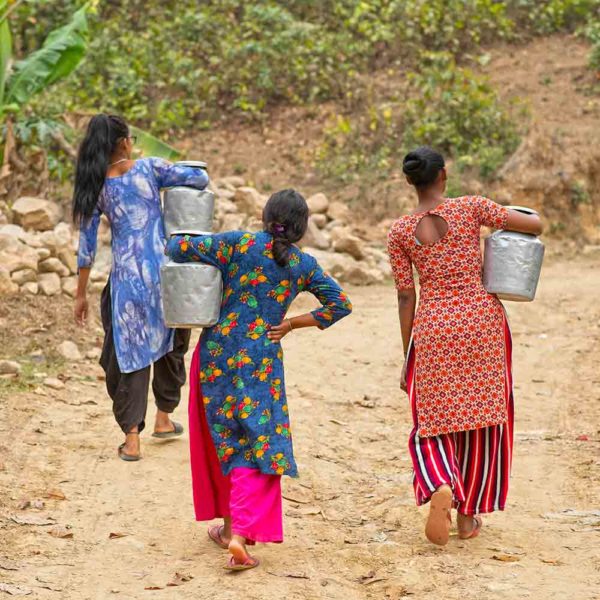
Sadly, the water they collect is often contaminated. Water in developing regions frequently contains fecal matter, arsenic or other pollutants.3 This pollution brings a host of waterborne diseases, including diarrhea, typhoid, cholera and dysentery. Such diseases lead to approximately 1.8 million deaths every year, besides the millions who become seriously ill from unsafe water.4 Many of these illnesses, and deaths, are preventable.

Water can also impact income. According to the World Bank, 65 percent of the world’s poor in some way relies on agriculture for their livelihoods.5 They need water for their crops and livestock. But, considering 4 billion people experience water scarcity at least one month a year, there may not be enough to meet such needs.6 For these farmers, a reliable well can provide water for their livelihoods throughout the changing seasons and water levels.
Click here, to read more about this article.
Click here, to read more blogs in Gospel for Asia.Com


Comments
Post a Comment