Gospel for Asia: It’s a Great Relief to Be Granted a Presidential Pardon
It was George Washington who issued the first presidential pardon way back in 1795. His action freed two rebels, who had led what history calls the Whiskey Rebellion, from the death sentence that the courts had handed down against them.
Following our Civil War, Abraham Lincoln pardoned all but the very top Southern leaders, including thousands upon thousands of Confederate troops.
In 1971 Richard Nixon used his pardon powers to grant clemency to the Teamsters’ president Jimmy Hoffa, who was serving a 15-year sentence for fraud and jury tampering.
Study American history and you will find any number of pardons being granted by our chief executives. The total of 213 during the eight years in office by Barack Obama was one of the lowest sums on record.
To be considered for a pardon, an offender needs to make a formal request to the Office of the Pardon Attorney, who serves under the U.S. Justice Department. That petition is then evaluated and possibly passed along.
It must be a great relief to be granted a presidential pardon. It’s like the past charge has been totally erased. Never again can the offender be tried for that given wrong.
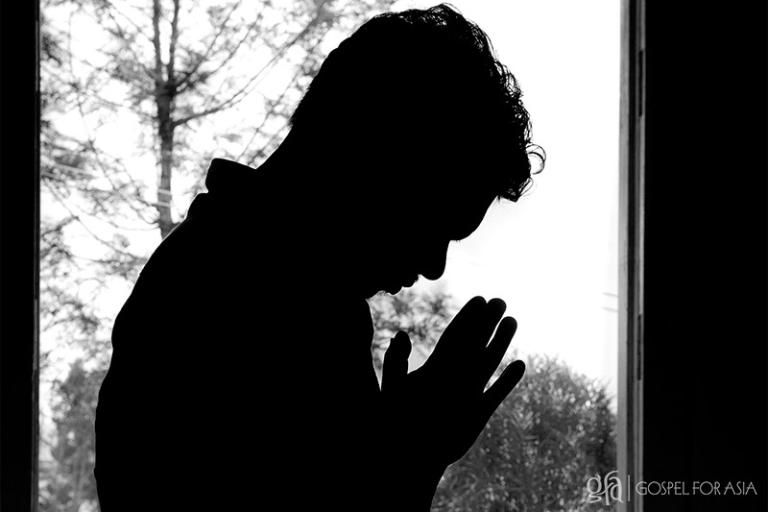
In Scripture, God is presented as the great judge before whom all must someday stand and give an account of how they lived. Unfortunately for us, this all-knowing God has the complete facts about our lives at His disposal. Nothing has escaped His attention. So the prospect of being judged by Him is frightening. All of us know only too well our many shortcomings.
In that regard, how good it is to remember verses like these from the Old Testament:
If you, O Lord, kept a record of sins, O Lord, who could stand? But with you there is forgiveness; therefore you are feared.
—Psalm 130:3-4
Let the wicked forsake his way and the evil man his thoughts. Let him turn to the Lord, and he will have mercy on him, and to our God, for he will freely pardon.
—Isaiah 55:7
Who is a God like you, who pardons sin and forgives the transgression of the remnant of his inheritance?
You do not stay angry forever but delight to show mercy.
—Micah 7:18
The fullness of that forgiveness and mercy and pardon is found in the New Testament. There we see Jesus, God’s Son, taking upon Himself the death sentence we deserved.
The Apostle Peter wrote these words in his first of two New Testament letters:
“He (Jesus) committed no sin.” —1 Peter 2:22
Then Peter continues, “He himself bore our sins in his body on the tree (or the cross), so that we might die to sins and live for righteousness; by his wounds you have been healed. For you were like sheep going astray, but now you have returned to the Shepherd and Overseer of your souls.” 1 Peter 2:24-25.
Click here, to read more about this article.
Click here, to read more blogs on Patheos from Gospel for Asia.


Comments
Post a Comment