What Is Water Scarcity?
Water scarcity is a lack of fresh water to meet the needs of a population.[1] However, answering the question “What is water scarcity?” is much more complicated than that basic definition, and many elements need to be discussed.
First, it is important to note that the UN General Assembly has made water availability a high priority for many years. Back in 2010, the UN looked at water scarcity facts and said, “Everyone has the right to sufficient, continuous, safe, acceptable, physically accessible, and affordable water for personal and domestic use.”[2] Even so, 2 billion people use a drinking water source that is contaminated with feces, which often results in disease.[3]
What is water scarcity? The Causes.
There are two types of water scarcity—physical water scarcity and economic. These types of scarcity can have many causes. The demand may be greater than the supply, the infrastructure may be lacking or institutions may not be balancing the needs of those in the community. The three most impactful causes are as follows:
- Climate / Pollution – Even though water covers 70 percent of the earth, freshwater is in short supply, representing only 3 percent of the earth’s water. Two-thirds of that freshwater is inaccessible.[4] Many of our water systems are stressed and other sources of water are becoming too polluted to use safely. The impacts of climate change and pollution are intensifying the challenges of water scarcity, resulting in decreasing availability of freshwater and increased risks of water-borne illnesses and contamination.[5]
- Agriculture – A large part of water usage is for agricultural irrigation. According to World Wildlife Fund, many countries that produce a lot of food, like the United States, China, Australia and Spain, are close to reaching their water resource limits.[6] Agriculture can also be the cause of water pollution due to pesticides and other chemicals used in farming.[7]
- Population Growth – Rapid population growth and industrialization has led to the transformation of natural water ecosystems and loss of biodiversity, resulting in unsustainable use of freshwater and water stress for 41% of the world’s population. Additionally, the growing population’s demands for basic necessities puts pressure on freshwater resources.[8]
Water scarcity impacts individuals as well, especially among the world’s poor. There is often limited access to safe water for drinking, cooking and hygiene. Women and girls are most impacted because they are commonly responsible for collecting water, sometimes walking for hours just to reach the nearest water source. This impacts employment and educational opportunities for women and girls. It is also very physically demanding.

Ragnar’s kids struggled in school because they were frequently sick. Ragnar wanted better for his children. He wanted them to feel well and excel in school and in life. He took his jaundiced son to a local doctor, who recommended he drink filtered water. But Ragnar couldn’t afford such a luxury.
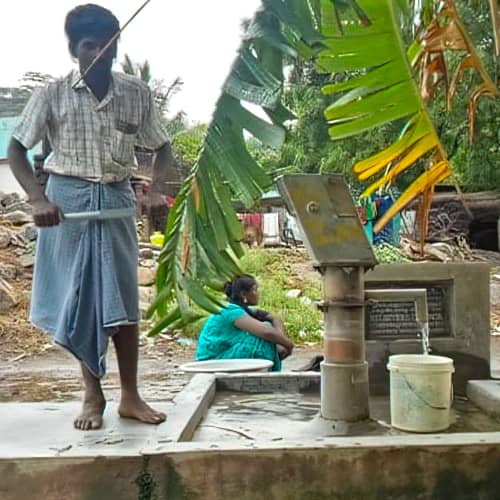
Now Ragnar and his children have access to pure, clean water that is easily accessible. They don’t have to fight for dirty water because they have clean water within a short distance. Their heath has improved significantly and the entire village is thankful!
Click here, to read more about this article.
Click here, to read more blogs in Gospel for Asia.Com


Comments
Post a Comment