What Causes Poverty? Four Root Barriers Explained
What causes poverty?
Poverty often grows from several connected barriers, not one simple cause. Families may struggle when they lack clean water, food, shelter, medical care, education, steady work, or recovery support after disaster. These needs can overlap and reinforce each other, making poverty hard to escape without long-term, community-based help. The World Bank now uses $3.00 per person per day as the international extreme poverty line, after its June 2025 update.
GFA World supports local partners who serve families through practical care, education support, clean water access, health initiatives, and spiritual encouragement where ministry is active. That care should preserve dignity, strengthen local communities, and be offered freely.
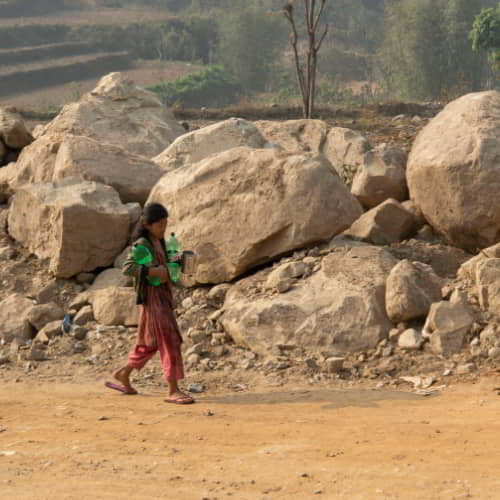
When families lack safe water, nutritious food, shelter, or medical care, daily survival can crowd out long-term progress. A parent may spend hours finding water instead of working. A child may miss school because of illness. A family may spend limited income on preventable health needs.
Clean water access is one example. When local partners help provide clean water wells, families may gain time, safety, and health benefits. This kind of support does not solve every problem, but it can reduce one pressure that keeps poverty in place.
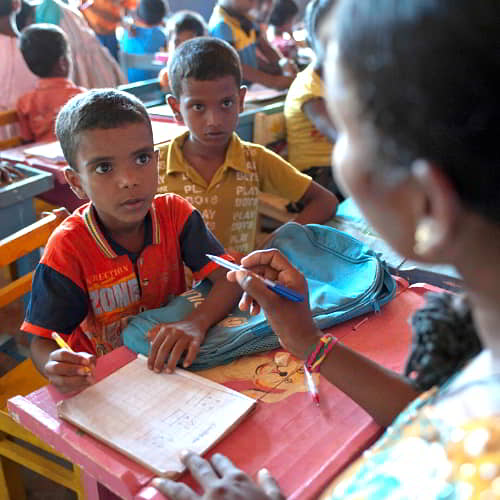
Education helps people read, count, solve problems, and pursue better opportunities. When children miss school, they may enter adulthood with fewer choices. When adults lack literacy, they may face barriers in work, parenting, health decisions, and community life.
UNICEF notes that poverty, gender, disability, language, displacement, and emergencies can all exclude children from education. GFA World-supported partners help make education and literacy support possible in communities where those ministries are active.
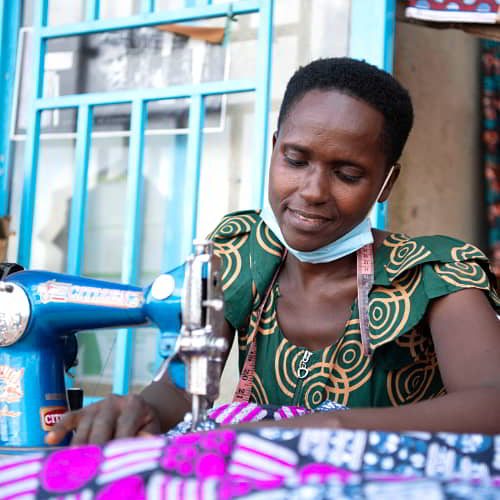
Poverty deepens when people cannot earn steady income. In some places, families need tools, skills, training, livestock, or access to local work. Without those supports, even hardworking people may remain trapped by circumstances they did not create.
Practical gifts and livelihood support can help families use their own effort more effectively. The goal is not dependence. The goal is to support stability, dignity, and local agency.

Disasters can push vulnerable families deeper into poverty. Homes, crops, tools, schools, and small businesses may be damaged in one event. People who were already struggling often have fewer savings and fewer recovery options.
Emergency care may include food, water, clothing, shelter, counseling, prayer, and longer-term support. Recovery takes time. GFA World supports local workers who can serve with practical help and spiritual encouragement, while respecting each family’s dignity.
Click here, to read more about this article.
Click here, to read more blogs in Gospel for Asia.Com


Comments
Post a Comment