How Do We End Poverty? Practical Steps That Help
How do we end poverty?
Ending poverty requires more than one program or one gift. Poverty is reduced when families gain access to basic needs, education, health care, income opportunity, disaster recovery, and steady local support. It also requires dignity-centered care that strengthens families rather than treating them as helpless.
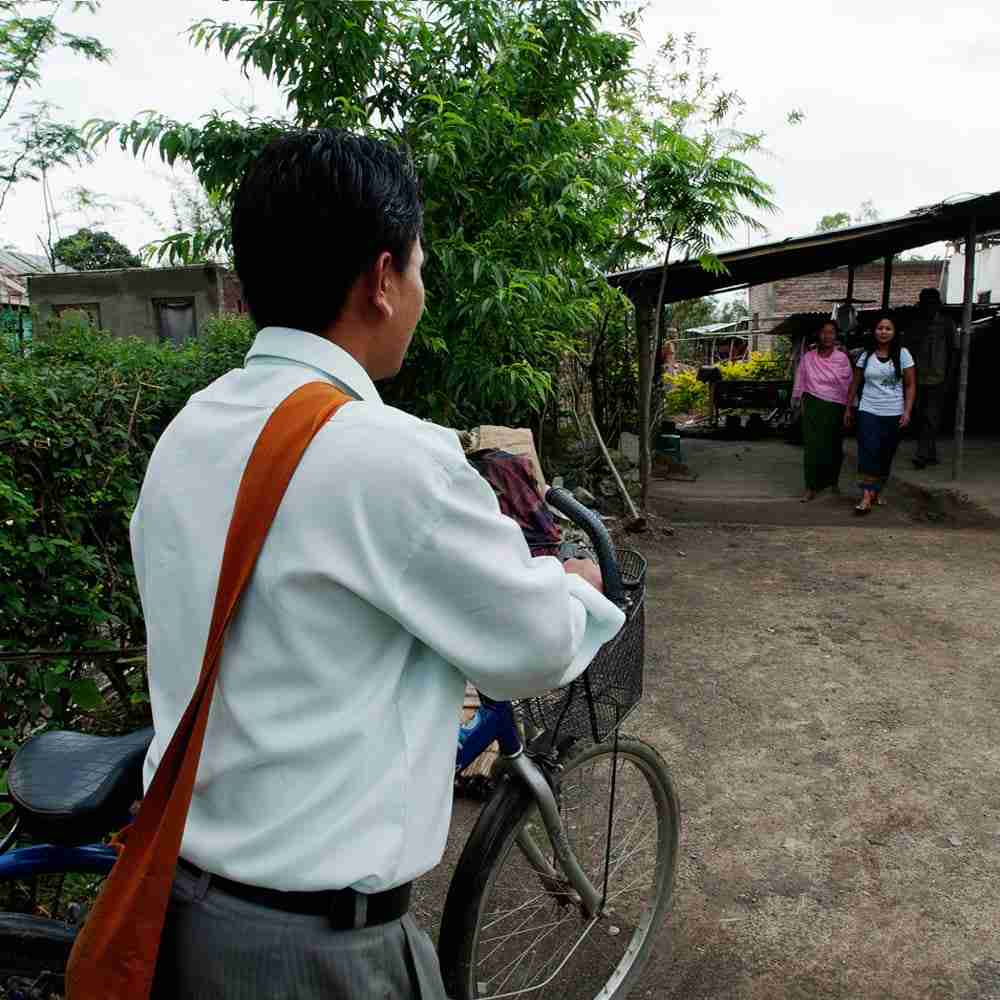
GFA World supports local partners who serve families through practical care and spiritual encouragement where ministry is active.
Meet basic needs first
Families cannot build long-term stability when daily survival consumes their time and energy. Clean water, food, shelter, medical care, sanitation, and safety form a foundation for progress.
When local partners help provide clean water access, health support, or practical care, they may ease burdens that affect work, school, and family life. These supports do not solve every problem, but they can remove barriers that keep poverty in place.
Keep children learning
Education is one of the strongest poverty-reduction bridges. Children who can read, reason, count, and stay in school often have more options as adults. Education also supports health decisions, family stability, and community participation.
UNICEF identifies poverty, disability, language, displacement, conflict, natural disaster, and other barriers as factors that can exclude children from education. Supporting children’s learning can help protect their future when hardship threatens school attendance.
Support income and livelihood
Many families facing poverty already work hard. What they may lack is steady opportunity, tools, training, land access, livestock, or support to build reliable income.
Livelihood support works best when it fits the local community. It should strengthen what families can already do, not create dependence or center outside helpers as heroes.
Help families recover from disaster
Disasters can deepen poverty quickly. A storm, flood, fire, crop loss, or other crisis may damage homes, tools, schools, small businesses, and income sources.
Relief can meet urgent needs. Recovery support can help families rebuild over time. Local workers can be especially helpful because they understand the community’s needs, relationships, and context.
Serve through trusted local relationships
Poverty is lived in real communities. Local partners often understand language, customs, needs, and family realities in ways outside helpers cannot.
GFA World supports local workers who serve with practical care, prayer, and spiritual encouragement. Practical help should be offered freely, with no strings attached. A person’s spiritual response must never be treated as a condition for aid.
Click here, to read more about this article.
Click here, to read more blogs in Gospel for Asia.Org


Comments
Post a Comment