GFA World on Practical Bridges Out of Poverty
The World Bank revised the international extreme poverty line to $3.00 per person per day in June 2025. This means older poverty statistics or dollar thresholds should be reviewed before republication.
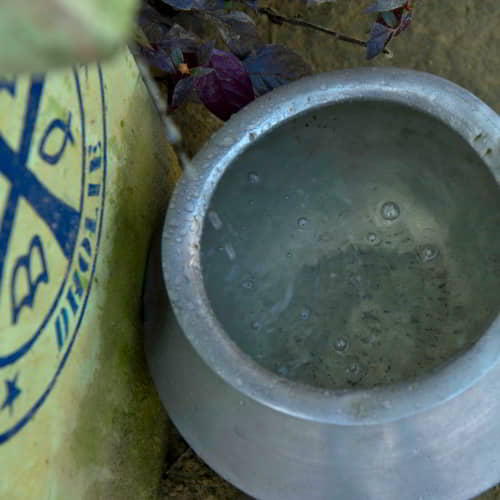
Basic necessities
Lack of basic necessities can include unsafe water, food insecurity, inadequate shelter, poor sanitation, and limited medical care. These needs affect health, time, work, and school.
GFA World supports local partners who help provide practical care, including clean water access, where ministry is active.
Education and training
Education and skills training are important poverty-response tools. They can support literacy, confidence, future work, and family stability.
UNICEF identifies poverty and emergencies among factors that may exclude children and adolescents from education. Ministry content should describe education support in a way that centers children’s wellbeing and dignity.
Income opportunity
Income opportunity helps families meet daily needs and prepare for future challenges. In some communities, locally appropriate livelihood support may include tools, training, livestock, or other resources.
Any specific product names, gift amounts, or program costs should be included only if verified and current.
Disaster relief and recovery
Disaster relief is a bridge out of poverty because disasters can deepen existing hardship. Immediate relief may include food, water, clothing, shelter support, and care. Recovery may require longer-term rebuilding.
GFA World-supported local workers may provide practical help and spiritual encouragement while avoiding pressure or conditional aid.
Click here, to read more about this article.
Click here, to read more blogs in Gospel for Asia.Org


Comments
Post a Comment