Access to Clean Water
Access to clean water is fundamental for health, growth and productive societies. Yet, 2.2 bilion people worldwide can’t obtain safely managed drinking water, and more than half the population—4.2 billion people—lack sanitation services.[1]
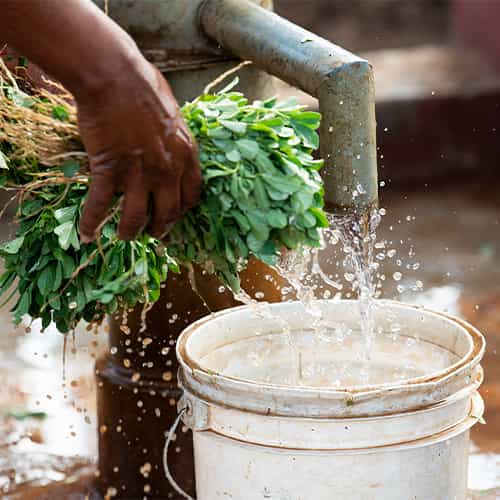
The UN has declared access to clean water and proper sanitation a human right. Its goal involves every person having 50-100 liters of safe and affordable (not costing over 3% of household income) water per day for personal and domestic use within 1,000 meters of the home.[3]
How a Lack of Clean Water Initiatives Impacts Communities
Clean water and sanitation go hand in hand. Currently, 80 percent of global wastewater returns into the ecosystem without being treated.[4]
In 2017, 673 million people were forced to openly defecate because they didn’t have proper sanitation facilities, which resulted in 1.2 billion people drinking water soiled by feces. As a result, people who gather water from rivers, lakes and the like are often exposed to disease-causing bacteria, viruses and other pathogens.[5]
According to the CDC, “inadequate waste disposal drives the infection cycle of many agents that can be spread through contaminated soil, food, water and insects such as flies.”[6]
Improper sanitation transmits a variety of diseases, from cholera and intestinal worms to dysentery, hepatitis A, polio and typhoid. It also compounds stunting and malnutrition.[7]
About 297,000 children under the age of 5 die every year from diarrheal diseases as a result of drinking contaminated water, poor sanitation and improper hygiene.[8] Overall, 829,000 people in low- and middle-income countries die from contaminated water and poor sanitation and hygiene every year.[9]
About 65% of diarrheal deaths — or 2.4 million a year — could be reduced with basic hygiene, clean water and sanitation.[10] For example, proper handwashing helps reduce the transmission of a host of other diseases, yet billions of people can’t properly wash their hands because they lack clean water. In 2021, WHO and UNICEF estimated three in 10 people couldn’t wash their hands with soap and water at home.[11]
Improved sanitation reduces the spread of intestinal worms and other tropical diseases that millions of people suffer from. It also reduces malnutrition and promotes dignity, safety and school attendance.[12]
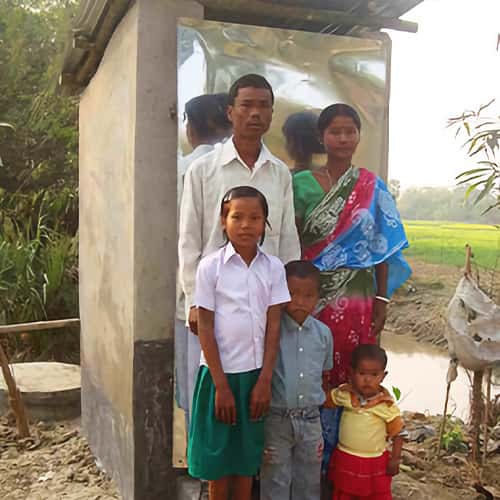
Women and children also suffer the most from the inability to access clean water because they’re typically the ones who travel far distances to collect it. In doing so, they risk sexual assault.[15] In addition, children are often prevented from attending school and women are unable to earn income because of this chore. These two factors can keep families trapped in a cycle of poverty.
Click here, to read more about this article.
Click here, to read more blogs in Gospel for Asia.Com


Comments
Post a Comment