A Wave of Change: Overcoming Water Challenges in South Asia
As South Asia grapples with the urgent issue of water scarcity, a wave of change is sweeping across the region, offering innovative solutions and inspiring tales of transformation. From harnessing nature’s potential to adopting sustainable practices, communities are taking bold steps aiming at overcoming the water challenges in South Asia to secure a water-rich future for generations to come.
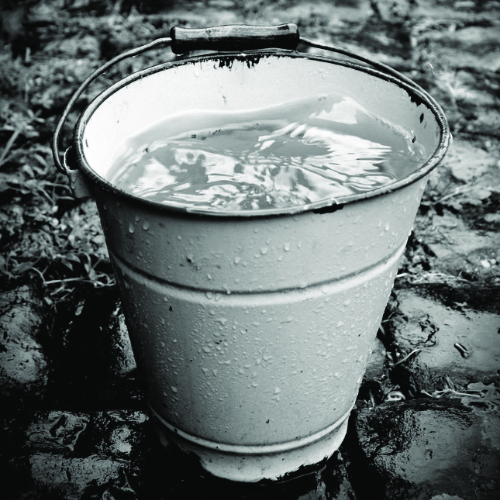
One of the most promising ways South Asian communities are combating water scarcity is by tapping into nature’s bounty through rainwater harvesting. By capturing and storing rainwater, households and villages are reducing their dependence on traditional water sources. Rainwater harvesting systems range from simple rooftop structures to more sophisticated setups that channel rainwater into underground storage tanks. These systems not only provide a vital water source but also alleviate pressure on existing resources.[1]
Reviving Ancient Wisdom: Traditional Water Conservation Practices
South Asia boasts a rich heritage of traditional water management techniques that have sustained communities for centuries. Many of these practices are now being revived and integrated with modern approaches. Traditional methods such as building check dams, percolation ponds, and community-managed water bodies are proving effective in recharging groundwater and increasing water availability. By blending age-old wisdom with contemporary knowledge, South Asian communities are preserving their water heritage while embracing sustainable progress.[2]
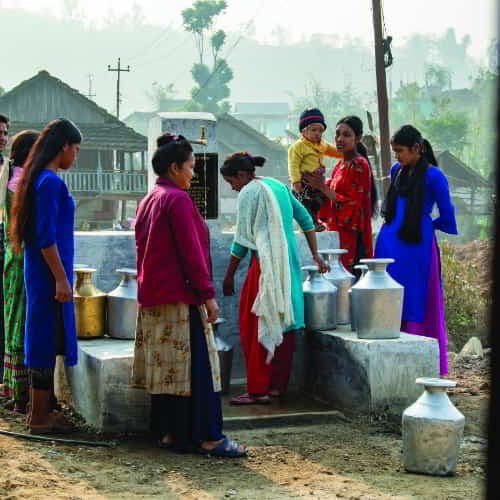
Women in South Asia are emerging as powerful agents of change in the realm of water management. Recognizing the pivotal role women play in water collection and usage, initiatives are being launched to empower them with knowledge and resources. Training programs on water-efficient agricultural practices, hygiene, and sanitation are equipping women to make informed decisions for their families and communities. This empowerment not only contributes to water conservation but also fosters gender equality and social upliftment.[3]
Urban Innovations: Transforming Cities into Water-Smart Hubs
As urbanization continues to reshape South Asia, cities are at the forefront of addressing water challenges. Innovative solutions such as decentralized wastewater treatment, efficient irrigation systems, and green infrastructure are transforming urban centers into water-smart hubs. These initiatives not only enhance water availability but also mitigate the impact of floods and water pollution. By embracing sustainable urban planning, South Asian cities are paving the way for a more resilient future.[4]
Click here, to read more about this article.
Click here, to read more blogs in Gospel for Asia.Net


Comments
Post a Comment