A Rising Tide of Hope: Water Scarcity Solutions in South Asia

Local Heroes: Empowering Communities to Thrive
In the face of water scarcity, local communities in South Asia are demonstrating remarkable resilience and innovation. From rainwater harvesting to community-led conservation initiatives, these grassroots efforts are making a significant impact. For instance, simple and cost-effective techniques like rooftop rainwater harvesting allow communities to collect and store rainwater for daily use, reducing reliance on dwindling groundwater sources.[1]
The Power of Education: Empowering Change
Empowering South Asian communities with knowledge about water conservation is a crucial aspect of addressing water scarcity. Through educational programs and awareness campaigns, organizations are equipping individuals with the skills to make informed decisions about water use. By teaching efficient irrigation practices, promoting water-conscious behavior, and sharing information about sanitation and hygiene, these initiatives are empowering communities to become stewards of their water resources.[2]
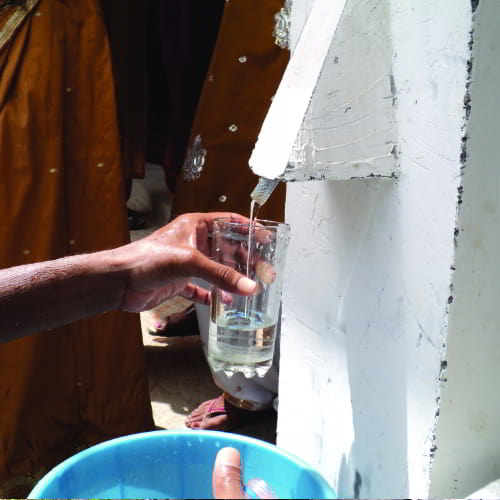
In the realm of technology, South Asia is embracing innovative solutions to overcome water challenges. Low-cost water purification systems, inspired by the BioSand filters, are being developed to provide clean and safe drinking water to underserved areas. These systems are particularly valuable in regions where traditional water sources are contaminated, offering a lifeline to communities plagued by waterborne diseases.[3]
Cross-Border Collaboration: Sharing Solutions and Knowledge
Water scarcity transcends geographical boundaries, and South Asia is witnessing the power of regional collaboration. Countries are coming together to share best practices, lessons learned, and technological innovations. Collaborative efforts enable nations to leverage each other’s strengths and pool resources, resulting in more effective and sustainable solutions. By learning from one another’s successes and challenges, South Asian nations are fostering a collective approach to water security.[4]
Click here, to read more about this article.
Click here, to read more blogs in Gospel for Asia.Net


Comments
Post a Comment