A Glimpse into the Future: Addressing Water Scarcity in South Asia
Amidst the backdrop of water scarcity in South Asia’s expansive landscapes, stories of overcoming adversity provide a glimmer of hope amidst the challenges. One story that shines as a beacon of inspiration is the transformation of Israel—an arid nation that turned its water scarcity into abundance through innovation, perseverance, and a strong commitment to change. South Asia, too, can draw invaluable lessons from Israel’s journey to forge its own path toward water security.

Situated in a region grappling with water challenges in Israel,[1] the nation’s unwavering commitment to surmount this formidable obstacle has given rise to pioneering innovations that defy the constraints imposed by nature. Recognizing the urgency of finding water solutions, Israel embarked on a journey that has transformed its arid landscapes into models of water efficiency and security.

At the heart of Israel’s success lies a series of groundbreaking innovations that have revolutionized water management. Among these innovations, desalination stands out as a game-changer. By harnessing the power of the vast oceans that surround it, Israel has turned saltwater into a reliable source of freshwater. Desalination plants along its coastline now contribute significantly to its water supply, showcasing the potential for unconventional water sources to address scarcity.[2]
Drip irrigation, another innovation that emerged from Israel’s journey, has transformed agriculture. This method delivers water directly to plant roots, minimizing wastage and maximizing efficiency. In a region where water conservation is paramount, drip irrigation has not only increased agricultural productivity but also served as a blueprint for other water-scarce regions.[3]
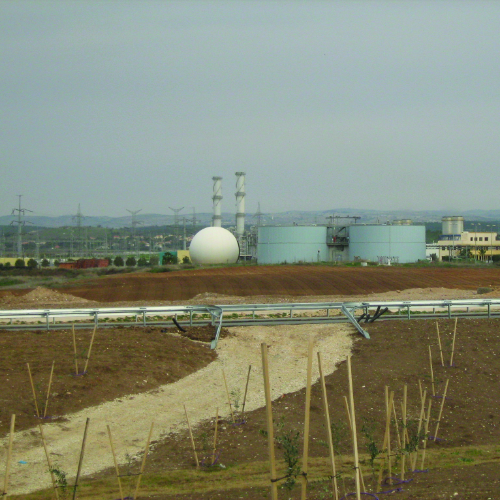
Israel’s quest for water security extended beyond conventional sources. The nation embraced the reclamation of wastewater—a once-taboo solution—to augment its water resources. Rigorous treatment processes ensure the safety and quality of reclaimed water, making it a sustainable option for agriculture. This bold move underscores Israel’s commitment to exploring every avenue to secure its water future.[4]
Cultural Shifts: Community Engagement and Responsibility
The success of Israel’s water transformation also stems from cultural shifts that emphasize community engagement and responsibility. By cultivating a shared understanding of water’s importance and fostering a sense of ownership, Israel empowered its citizens to actively participate in water conservation efforts. This cultural shift, from a mentality of scarcity to one of collective responsibility, holds crucial lessons for South Asia.
Click here, to read more about this article.
Click here, to read more blogs in Gospel for Asia.Net


Comments
Post a Comment