What Is a Summary of The Water Shortage Problem and Solution?
Summarizing the global water shortage problem and solution is challenging. It is important to note that 785 million people lack a basic drinking water source and at least 2 billion people use a water source that is contaminated with feces.1 That’s a major problem that leads to serious waterborne diseases and even death.

While the water shortage problem is most urgent in developing countries, it is wise not to overlook the issues in developed areas. For example, more than 30 million Americans live in areas without access to safe drinking water.2
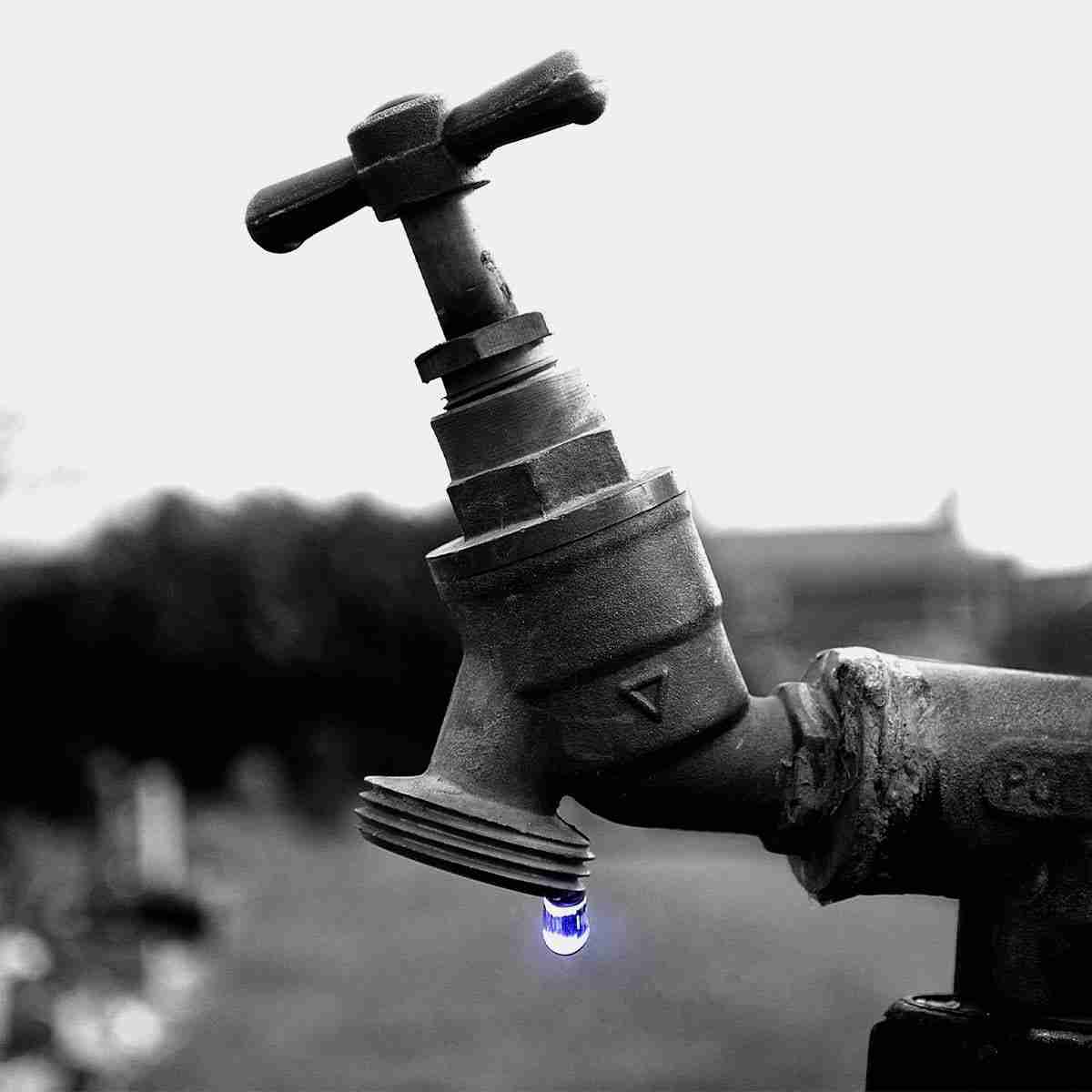
What is Cape Town doing to find solutions? Cape Town has instituted water restrictions and has banned swimming pools and car washing. The city has invested in desalination plants to transform their seawater into fresh drinkable water. They are also working on groundwater collection projects and recycling programs. Is it too late? Only time will tell.
Click here, to read more about this article.
Click here, to read more blogs in Gospel for Asia.Com


Comments
Post a Comment