What Is the Purpose of a Clean Water Project?
The World Health Organization estimates that over 663 million people do not have clean and accessible water.1 Every person without access to safe drinking water is at risk for infection, illness and even death. A clean water project develops resources to provide clean, accessible water to communities. Water projects might include filtration or sanitation systems, water wells, hand-washing education and much more.
Clean water is a life-changing resource that protects communities from disease, dehydration and malnutrition. There are many benefits.
- Health — Clean water protects children from disease and dehydration and promotes bodily functions. Clean water also reduces mortality rates due to dehydration from diseases and illnesses that cause diarrhea.
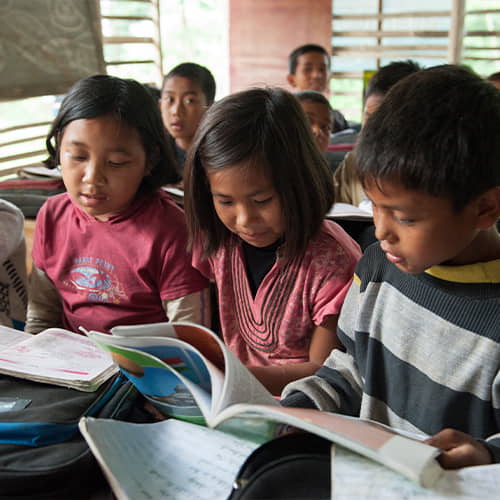
- Education — Clean water promotes children’s good health; this allows them to go to school regularly. Education builds practical and relational skills that help children become knowledgeable and helpful contributors to society. Children who regularly attend a school or who complete their education have better jobs and opportunities as adults.
- Food — Clean water is a vital resource for food production and agriculture and for preparing food. Farmers and large farm industries use water to irrigate crops; families need clean water to wash fruits and vegetables and to cook other foods.
Click here, to read more about this article.
Click here, to read more blogs in Gospel for Asia.Net


Comments
Post a Comment