Types of Water Well Systems: Some Commonalities
According to Groundwater Foundation, “Wells come in different shapes and sizes, depending on the type of material the well is drilled into and how much water is being pumped out.”1 While there are different types of water well systems, many modern wells, and even some ancient ones, have the same basic components. Regardless of the system used, water in the underground aquifer must be reached and somehow drawn to the surface for everyday human use. Types of wells include irrigation, shallow, geothermal, artesian and sand point.2
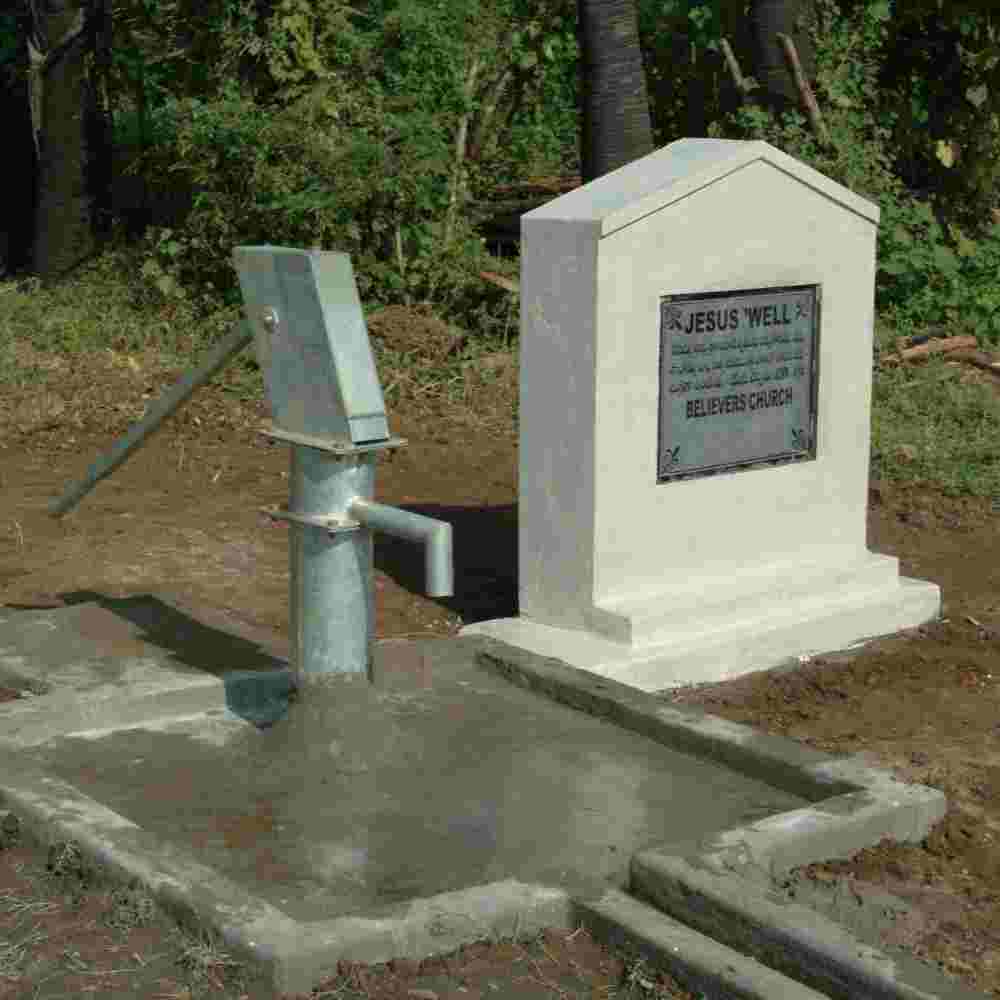
In ancient times, wells were dug by hand. Once the excavator reached the water table, “the well was lined with stones, brick, tile, or other material to prevent collapse, and was covered with a cap of wood, stone, or concrete,” according to United States Geological Survey.3 Though this method limited the depth of the well, similar concepts are used in modern wells.
While driven wells are established by driving pipe into soft earth, most modern wells are drilled wells, for which rotary bits are used to excavate the surrounding earth.4 Like ancient wells, the bored hole is lined with some type of casing to prevent collapse, but modern casing is typically made of carbon steel, plastic or stainless steel, which also helps prevent contaminants from seeping into the well water.5
“The casing also provides housing for a pumping mechanism and for the pipe that moves water from the pump to the surface. Below the casing, the lower portion of the borehole is the intake through which water enters the well.”6
Many wells also include a well cap—commonly made of aluminum or thermoplastic—fit snugly on top of the casing to keep out debris, insects and small animals.7
Screen Filter
On the other side of the casing, at the bottom of the well system, is some sort of screen filter, which allows water through while filtering out unwanted particles.8 Some well systems also have a gravel pack outside the screen “to prevent sand from entering the well or clogging the screen and to stabilize the well assembly.”9
Water Pump
The central component of the system is the water pump.10 This is the critical mechanism that draws water from underground to the surface for usage. Today’s most popular types of pumps—jet pumps and submersible pumps—rely on centrifugal force to draw the water upward.11
Click here, to read more about this article.
Click here, to read more blogs in Gospel for Asia.Org


Comments
Post a Comment