Many Types of Water Wells, But One Is Changing Lives
There are multiple types of water wells, including irrigation, shallow, geothermal, artesian and sand point.1 These wells are typically either dug, driven or drilled and vary in size and depth.2 While in ancient times, wells were commonly dug by hand, most modern wells are drilled with some sort of rotary drill bit that excavates down to the underground water aquifer.3
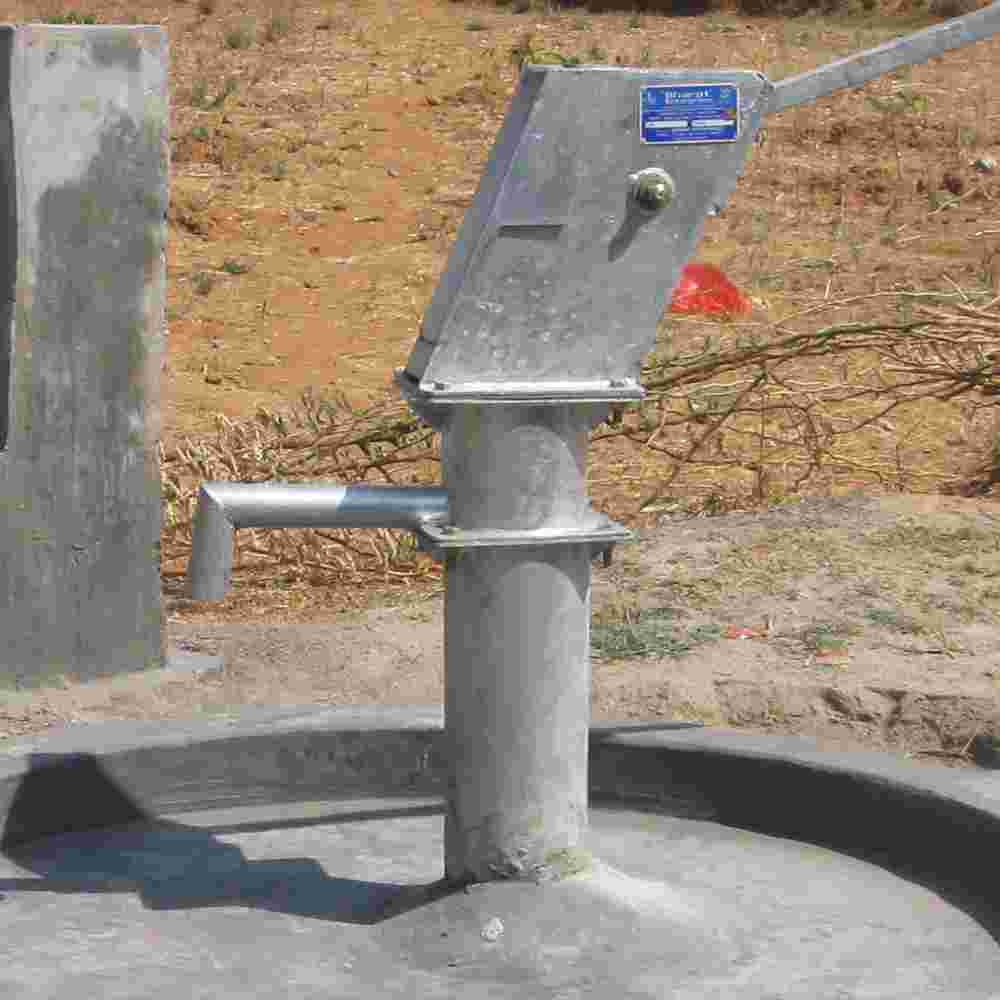
- Casing to maintain the open access into the earth while preventing debris from entering;
- Grout to seal spaces around the outside of the well and protect against contaminants’ intrusion;
- A screen at the bottom to filter sand and gravel;
- And a gravel pack to prevent sand from clogging the screen and to stabilize the well assembly.4
- An essential component of the well’s mechanics is a water pump, which brings water upward to where it can be accessed by the well’s user.5
While there are many private wells, there are also public wells that provide water resources for entire communities. (Here are other types of water well systems)
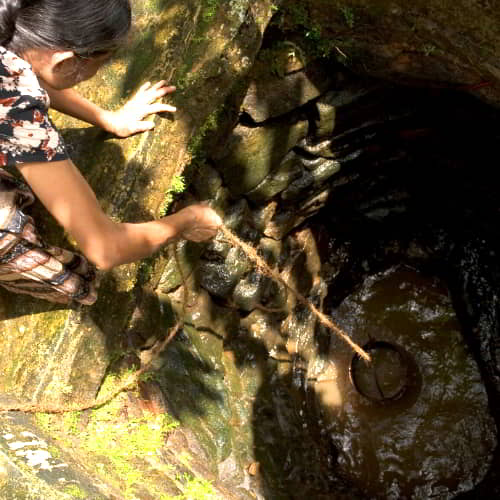
In developing regions of the world, many impoverished people can’t afford clean water on their own and frequently suffer from various diseases associated with drinking from contaminated water sources, such as cholera, typhoid, polio, dysentery and diarrhea. Worldwide, 1.1 billion people lack access to clean water.6
In addition to the danger of disease, water shortages also have negative effects on hygiene.
According to Borgen Magazine,
“Globally, 2.3 billion people lack access to adequate sanitation and over 800 children under age five die every day from illnesses related to poor sanitation and water quality. Providing easily accessible and clean water improves impoverished communities’ living conditions and allows families to rise out of poverty.”7
Organizations such as GFA World help these people in need by installing community borewells that freely offer access to clean water.
Click here, to read more about this article.
Click here, to read more blogs in Gospel for Asia.Org


Comments
Post a Comment