Water Stress
Water stress is to the “ability, or lack thereof, to meet human and ecological demand for fresh water.”1
It’s been almost 30 years since the United Nations started observing World Water Day with the goal of providing worldwide access to clean water. Even though we’ve seen significant improvement, water stressed countries remain a problem in many areas around the world. Developed countries are not exempt from clean water struggles either. In fact, more than 2 million Americans lack access to indoor plumbing and running water. Another 30 million live in communities that do not have access to safe drinking water.2
How many people lack access to clean water? Several developed cities are among the BBC list of those that are likely to run out of drinking water—Cape Town, Sao Paulo, Bangalore, Beijing, Cairo, Jakarta, Moscow, Istanbul, Mexico City, London, Tokyo, and Miami.
“Cape Town is in the unenviable situation of being the first major city in the modern era to face the threat of running out of drinking water.”3

Therefore, millions around the world struggle every day to find clean water to drink, use in cooking, bathe in, and so on. Many of us wake up each morning, grab a quick drink from the faucet, shower in clean water, and have easy access to indoor plumbing. That’s not normal for many people around the globe.
What is water stress? When water isn’t available, dehydration is the first symptom of deficiency. Then a person begins to experience headaches, dizziness, muscle cramps, and a rapid heartbeat. If the person doesn’t receive hydration, death will result.
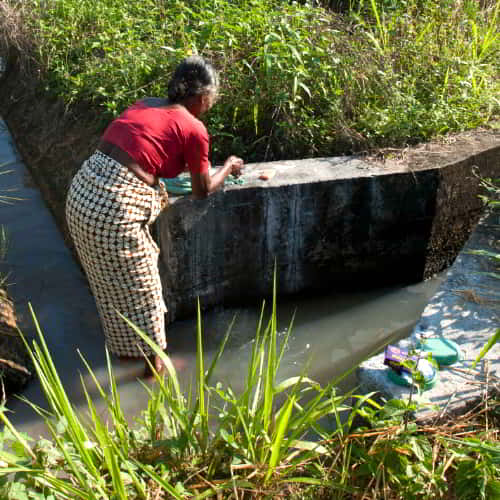
For many around the world, water is available but it’s contaminated. When this water is consumed, it often breeds waterborne illnesses like diarrhea, dysentery, typhoid fever, cholera, Hepatitis A, and many more. Water can also be contaminated with industrial waste, which also leads to serious health problems.
In areas of water scarcity, water wells are essential to survival. They allow people to have local access to clean water, rather than having to walk miles for it. These wells need to be dug deep enough to access clean water even in the driest of months.
Click here, to read more about this article.
Click here, to read more blogs in Gospel for Asia.Org


Comments
Post a Comment