Underprivileged Kids in South Asia: Charity Can Make a Difference
In 2021, the population in one South Asian country was estimated at 1.39 billion people, nearly one-sixth of the world’s population. [1] More than a quarter of that number represent children ages 0 to 14.[2] This country is second only to China in total population. Worldwide, 30 percent of children living in poverty are in this one country.[3] For the millions of underprivileged kids in South Asia, charity organizations can work together with the government to make a difference in the lives of individuals, families and communities.
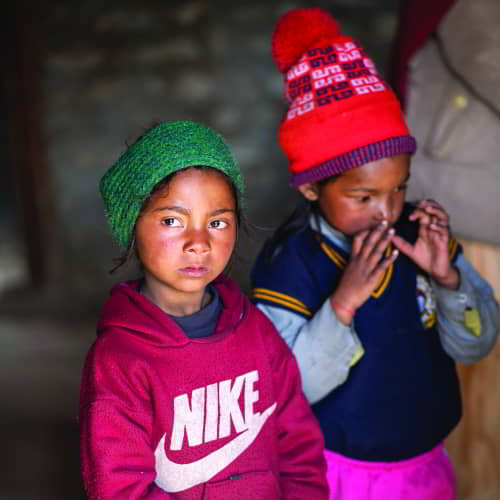
“[This area’s] growth over the last two decades has contributed phenomenally to global human development,” reports UNICEF. “Extreme poverty in [one country in South Asia] reduced to 21 percent, infant mortality has more than halved, some 80 percent of women now deliver in a health facility and two million fewer children are out-of-school.”[4]
This is an incredible achievement brought about by local governments and legislation, such as the Rights to Education Act, as well as the non-governmental organizations (NGOs) that come alongside local communities to help the millions of precious children in need. For underprivileged kids in South Asia, charity work is a vital part of the solution.
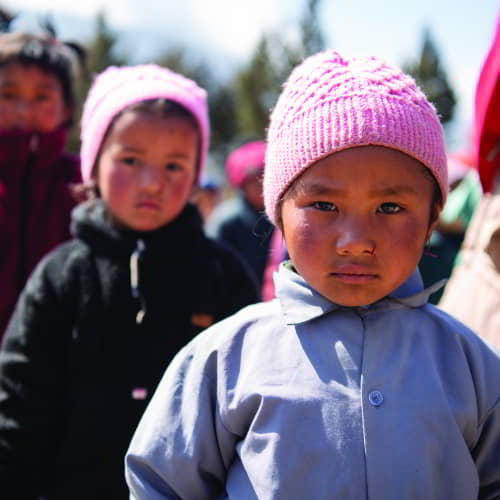
“[South Asia] stands to benefit socially, politically and economically if this large number of adolescents are safe, healthy, educated and equipped with information and life skills to support the country’s continued development,” says UNICEF, a NGO dedicated to helping children. “However, adolescent girls are especially vulnerable to poor nutritional status, early marriage and childbearing, affecting their ability to live empowered, healthy lives, which in-turn affects the next generation.”[6]
Click here, to read more about this article.
Click here, to read more blogs in Gospel for Asia.Org


Comments
Post a Comment