The Transformative Power of Livestock: Fighting Hunger and Poverty
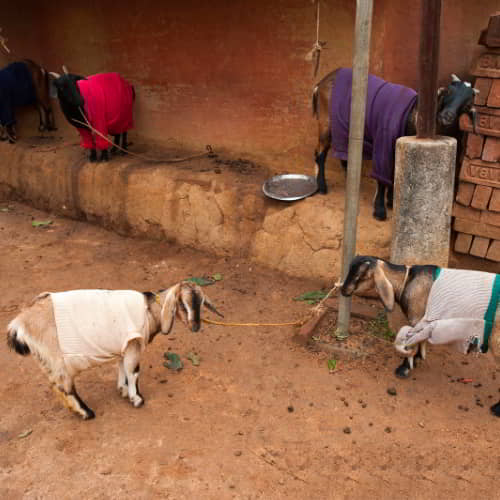
According to a comprehensive study conducted by Natural Resources International in Kenya on livestock, poverty, and the agricultural sector of the country, farm animals play an actual pivotal role. Employing approximately half of the agricultural labor force and contributing 10 percent to the gross domestic product (GDP), it has a significant impact on the nation’s economy. Notably, goats and sheep emerge as key contributors, accounting for around 30 percent of the red meat consumed in Kenya, in addition to providing wool and skins.[1]
Similarly, a separate study conducted in Colombia, South America, sheds light on the aspirations of small farmers who believe that cattle can significantly improve their financial well-being and overall quality of life. Unfortunately, many of these farmers lack the necessary resources to acquire cows.[4]
“The milking cow is one of the factors that contributes the most to well-being,” the report emphasizes, highlighting the role cattle can play in ensuring a stable supply of milk and beef for household consumption. Cattle also provide security against crop failure, liquidity during financial crises, collateral for informal credit, and protection against inflation.[5]
The relevance of protection against inflation cannot be overstated, particularly as millions of families worldwide grapple with the severe impact of unprecedented commodity price hikes.[6] However, the report acknowledges the challenges faced by smallholders in acquiring livestock due to limited financial resources. It calls for the development of innovative mechanisms to provide smallholders with access to livestock, including credit loans and other alternative means.[7]

Click here, to read more about this article.
Click here, to read more blogs in Gospel for Asia.Net


Comments
Post a Comment