The Ongoing Plight of Modern-Day Slavery in Nigeria: Seeking Solutions for a Better Future
For decades, Nigeria has been plagued by the heart-wrenching reality of modern-day slavery. Young individuals like Gladys and Sunday, whose stories exemplify the horrific experiences endured by countless victims, are caught in a web of exploitation and despair. This article sheds light on the prevailing crisis of modern-day slavery in Nigeria, explores the efforts of anti-slavery organizations, and highlights the urgent need for comprehensive solutions. By addressing the root causes of vulnerability and offering viable alternatives, we can strive for a future where every Nigerian is liberated from the chains of slavery.
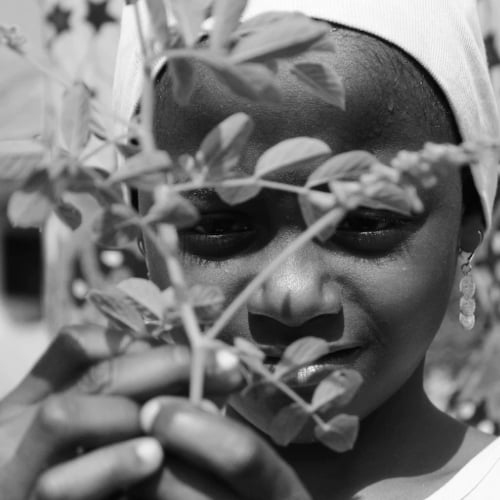
At the tender age of 22, Gladys left her home in Nigeria enticed by the promise of a job in a hair salon in Turin, Italy.[1] However, her dreams of a better life were shattered when she found herself locked up in a brothel, deprived of basic necessities until she succumbed to sexual exploitation. Her harrowing tale serves as a haunting reminder of the dire circumstances faced by many Nigerian victims.
The Brutal Reality of Enslavement
Sunday’s story further exposes the heinous practices of slavery in Nigeria.[2] Branded with a searing iron, his face bears a permanent reminder of the dehumanization he endured. Sunday and countless others were treated as commodities to be bought and sold, stripped of their humanity and subjected to unspeakable cruelty. Their testimonies reveal a system where lives are reduced to mere transactions, devoid of empathy and compassion.
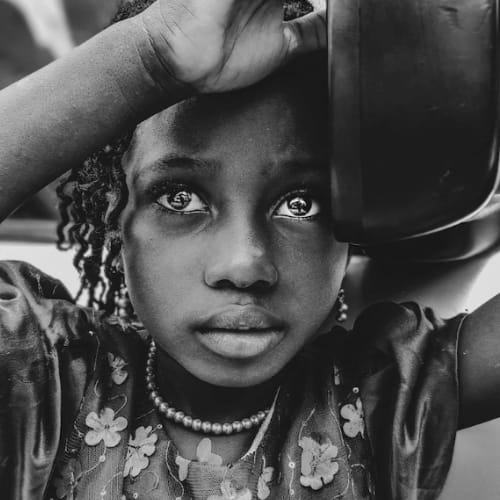
Amidst the darkness, there is a glimmer of hope. Anti-slavery organizations are tirelessly working to combat this pervasive issue. The organization End Slavery Now has compiled an online directory of seven anti-slavery and anti-trafficking organizations in Nigeria alone.[3] Globally, their efforts extend to hundreds of groups actively fighting against modern-day slavery, sex trafficking, forced labor, and child labor. These organizations play a vital role in rescuing victims, providing support, and advocating for systemic change.
To fully comprehend the depths of this crisis, it is essential to explore the motivations and tactics employed by traffickers. Vulnerable young Nigerians, desperate to escape extreme poverty in rural areas, often fall prey to false promises of a better life in Europe. However, they find themselves ensnared in debt to smugglers, forced into prostitution or slave labor to repay the loans. Threats of violence, torture, and harm to their families leave them trapped, devoid of alternatives.
Click here, to read more about this article.
Click here, to read more blogs in Gospel for Asia.Net


Comments
Post a Comment