Solutions to Poverty
Reducing extreme poverty is a massive challenge, but the strategies and solutions to poverty are equally promising. Today, $1.90 of daily income is the official marker of extreme poverty and around 736 million people are in this group, many of them children.1 The people in this category often lack adequate housing, hygiene, medical treatment and education.
So, what are the solutions to poverty?
Let’s study the impact that positive values and education have on poverty in a society.
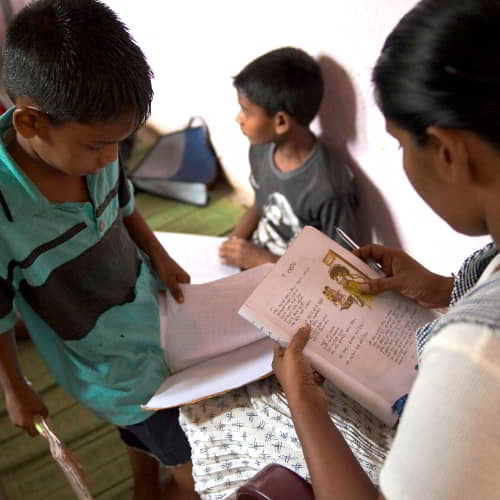
Consider the following example:
- Luis has positive values. Perhaps they were taught to him by a parent, or he learned them from a source outside his family, perhaps from his church. His children are benefiting from his ethical foundation, and he encourages them to attend school and continue learning.
- His employer sees Luis’ values and ethics—his integrity, intelligence, and energy. While his coworkers sometimes display negative ideologies, Luis’ workplace benefits from his positivity. His boss sees this and gives Luis more responsibilities through a promotion.
- Luis now has the opportunity to treat those under him with integrity. He will not exploit them or use forced labor. His honesty will strengthen the company and his example will boost morale.
- Luis and his family are less likely to be influenced by crime. His children, having received an education, will be even less likely to be impacted by crime as they grow into adulthood.
- Luis rises out of poverty through positive values and hard work. He can now help others who are in need around him. He’s walked the same path and can help others rise above poverty, too.
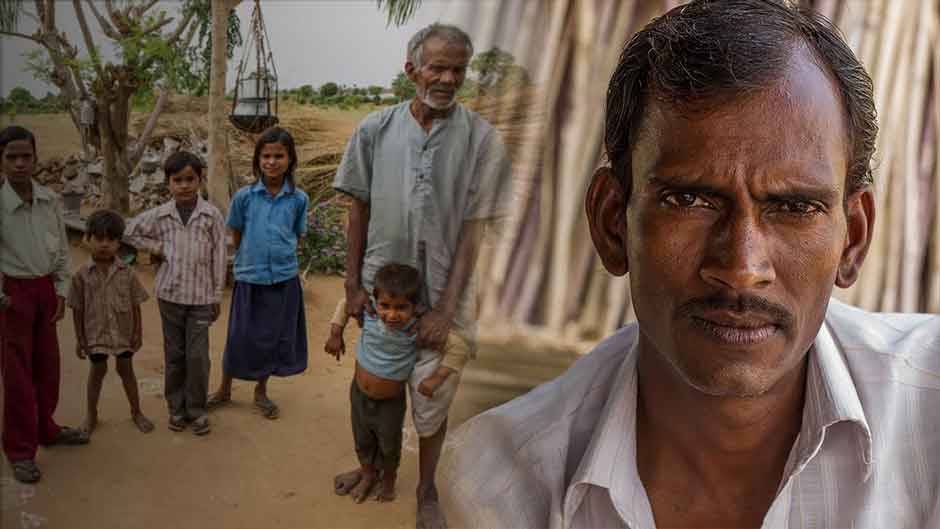
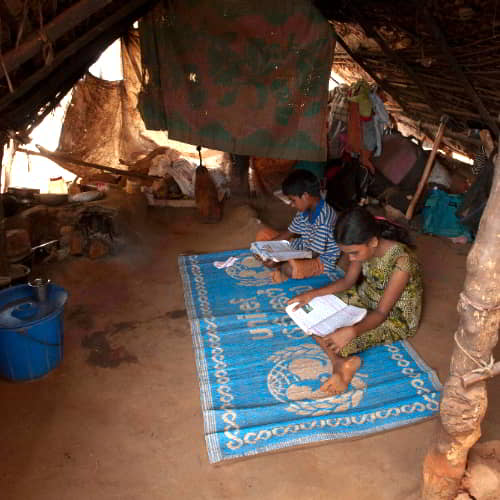
God created the human mind to learn, dream, imagine and use logic. When children are given opportunities for education, they are far more likely to break out of poverty. Often, children are not encouraged to attend school or pursue educational opportunities because the family needs them to work. The urgent need for food and survival is much more critical than education. When a family is simply trying to survive the day, education is not a priority. In these circumstances, it is difficult for parents to see education as essential for their children. However, education is key to the alleviation of poverty, and one of the solutions to the poverty cycle.
Click here, to read more about this article.
Click here, to read more blogs in Gospel for Asia.Org


Comments
Post a Comment