Progress and Challenges in Slum Rehabilitation: A Comprehensive Analysis
Slum rehabilitation remains a pressing concern in many cities around the world, and particularly in South Asia. Various city governments in South Asia have established slum rehabilitation authorities with the aim of replacing selected impoverished communities with high-rise apartment complexes resembling the chawls. However, the mere construction of alternative housing does not guarantee the desired outcome. Let us analyze the challenges faced in slum rehabilitation efforts and explore the progress made thus far.
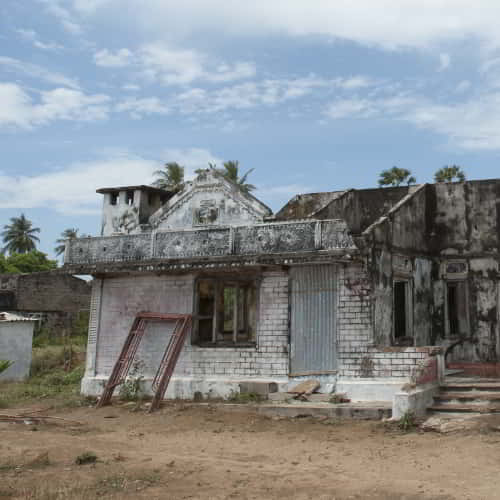
Since the early 1970s, rehabilitation of impoverished communities in South Asia has evolved significantly. Initially, a demolition-focused approach led to the uprooting and dispersal of residents, a process described by the Slum Redevelopment Authority in one of the major cities as “inhuman.”[1] However, the approach soon shifted towards recognizing slum structures as a housing solution and began efforts to provide civic amenities. The 1980s witnessed the World Bank subsidizing initiatives to upgrade impoverished neighborhoods, signaling a transition towards a more comprehensive approach to slum rehabilitation.
Defining the Vision
One critical question emerges: when does a slum cease to be a slum? A South Asia Development Review raises this query, emphasizing the need for a coherent national plan founded on revised zoning laws.[2] The article proposes a three-pronged approach to tackle slum rehabilitation comprehensively:
- Granting clear, free title to the residents, enabling them to leverage their property as a tangible asset.
- Upgrading infrastructure and services within impoverished areas, including water, power, sewage connections, waste management, street lighting, and neighborhood security.
- Establishing high-density, low-income zoning that empowers individual property owners to upgrade their homes without risk.
However, implementing these approaches demands meticulous research, planning, substantial investments, and, above all, time. The reality is that rehabilitation of impoverished communities is a long-term undertaking, often spanning years or even decades.
Click here, to read more about this article.
Click here, to read more blogs in Gospel for Asia.Net


Comments
Post a Comment