Forced Labor and Slavery: Shedding Light on a Global Crisis
Modern slavery persists in various forms around the world, with millions of adults and children trapped in forced labor. This article sheds light on the prevalence of this global crisis, focusing on the disproportionate impact on women and girls and the alarming numbers in the Asia-Pacific region. By examining specific cases and recurring patterns of forced labor and slavery, we aim to highlight the urgency of addressing this grave violation of human rights.

According to the International Labour Organization (ILO), over 40 million people worldwide are currently living in some form of slavery. This shocking statistic reveals the extent of human suffering and exploitation that persists in our modern society. Among these victims, Asia and the Pacific region account for 25 million individuals, illustrating the gravity of the problem in this part of the world. Furthermore, forced sexual exploitation affects a staggering 73 percent of all victims, with women and girls bearing the brunt of this injustice.[1]
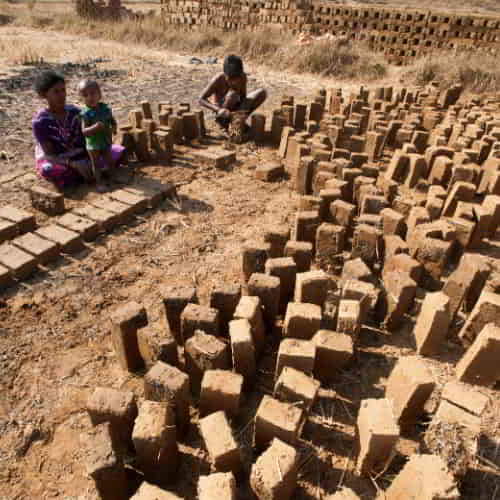
Within the realm of forced labor, one of the most distressing manifestations is found in brick kilns. These sites of production become traps where entire families are subjected to bondage and abuse. The case of a brick kiln in a district in South Asia, vividly illustrates the dire conditions endured by workers. In 2016, nearly 550 bonded migrant workers were rescued from this facility, exposing the exploitative practices of the kiln’s owner. The laborers were found living in abysmal conditions, crammed into tin-roofed quarters or tattered tents. This alarming example underscores the urgent need to confront the inherent injustices perpetuated by such establishments.
Click here, to read more about this article.
Click here, to read more blogs in Gospel for Asia.Net


Comments
Post a Comment