Ending Poverty Injustice and Modern-Day Slavery: A Global Challenge
Poverty and modern-day slavery continue to afflict millions of people worldwide, posing significant challenges to human rights, social justice, and ending poverty injustice. This article examines the persistent issues of extreme poverty and child labor, shedding light on the current state of affairs and the need for concerted efforts to bring about lasting change.
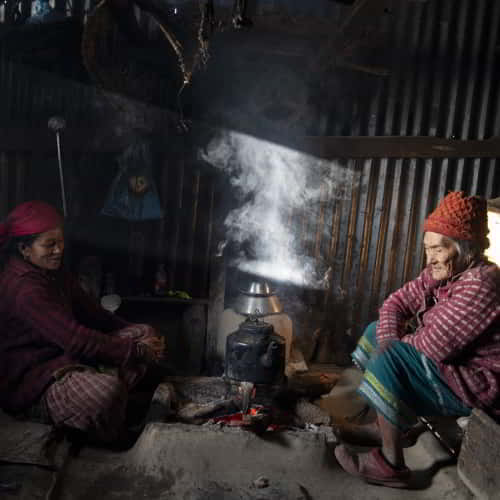
In recent decades, there have been notable strides in reducing extreme poverty, but the rate of decline has slowed. According to the World Bank, between 1990 and 2015, there was a 35-percentage point decline in extreme poverty. However, the South Asia region saw only an 8 percent decrease in individuals living on less than $3.20 a day, with over 80 percent still below the $5.50 threshold. Furthermore, access to electricity and adequate sanitation remains a pressing issue for many households.[1]
World Bank Group President Jim Yong Kim emphasized the need for increased investment, particularly in building human capital, to foster inclusive growth and effectively address the remaining challenges of poverty. The goal of eradicating poverty by 2030 requires a comprehensive approach that prioritizes the well-being and development of all individuals affected by poverty.[2]

Child labor represents a grave injustice affecting millions of children worldwide. The International Labour Organization (ILO) reports that 152 million children, comprising 64 million girls and 88 million boys, are engaged in child labor globally. Shockingly, nearly half of them, 73 million children, are involved in hazardous work that jeopardizes their health, safety, and moral development. A broader measure, including permitted forms of employment involving children of legal working age, reveals that 218 million children are affected.[3]
The root causes of child labor are multifaceted, ranging from poverty and lack of access to education to social prejudice and inadequate legal protection. To combat this pressing issue, it is crucial to implement a comprehensive set of solutions. These may include strengthening labor laws, providing quality education and vocational training, promoting ethical business practices, and empowering communities and families through social support programs.
Click here, to read more about this article.
Click here, to read more blogs in Gospel for Asia.Net


Comments
Post a Comment