Combating Poverty and Inequality: Upholding Human Rights and Social Justice
In 2019, the United States took a significant step by blocking Chinese-made baby pajamas from entering Costco warehouses. Contrary to trade tensions, this action was driven by concerns of forced labor and human rights violations.[1] It highlighted the urgent need to address such issues, combating poverty and inequality, and promote social justice on a global scale.
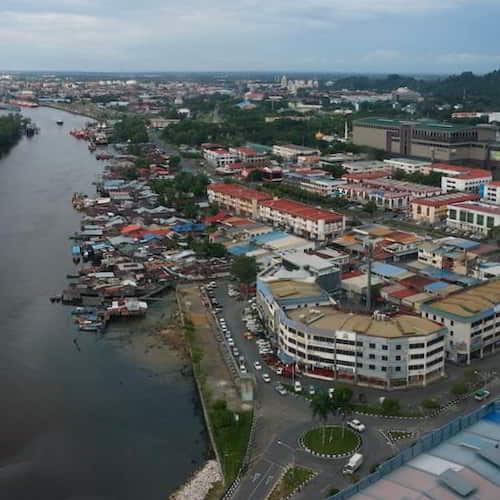
Customs officials seized the opportunity to halt importation of goods from five countries, shedding light on disturbing practices. One Malaysian manufacturer faced accusations of staffing factories with migrants from Bangladesh, Nepal, and other countries, subjecting them to exorbitant recruitment fees. Charcoal from Brazil, diamonds from Zimbabwe, and gold from the eastern Democratic Republic of Congo were also among the imports stopped, further unveiling the prevalence of exploitation.[2]
In a shocking turn of events, the assessor of Arizona’s largest county, Paul Peterson, was arrested on six charges related to a human trafficking adoption scheme. His alleged actions involved luring pregnant women from the Pacific’s Marshall Islands with promises of cash payments, only to force them into crowded housing without adequate prenatal care. This distressing case exposes the depths of human trafficking and the urgent need for intervention.[3]
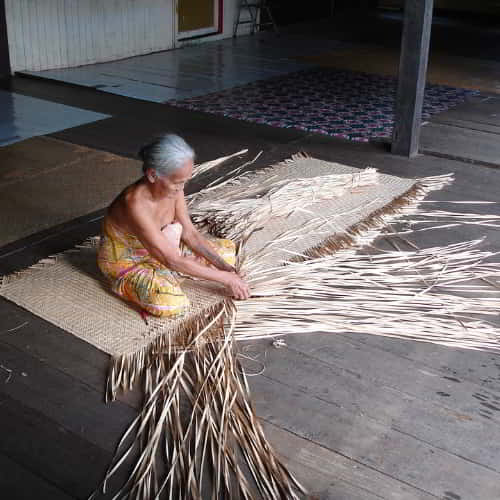
A woman in West Virginia recently filed a lawsuit against a multilevel marketing company, claiming violations of the U.S. Fair Labor Standards Act and highlighting the importance of addressing wealth disparities and protecting workers’ rights. Alleging restrictive policies and inadequate compensation, she emphasized the right of salespeople, primarily women, to earn a minimum wage rather than working on commission as independent contractors. This case raises critical questions about fair labor practices and the need to protect workers’ rights.[4]
True social justice goes beyond addressing economic disparities, ending poverty injustice, and combating forced labor and slavery; it encompasses a broader understanding of moral principles, advocating for equitable treatment and fairness. Regardless of geographic location, social class, or economic circumstances, social justice is a cry that resonates globally.

The 2019 Annual Wealth Check report by Oxfam International presents a stark example of the urgent need for social justice. It reveals that the wealthiest 26 billionaires possess the same amount of assets as the 3.8 billion individuals who constitute the poorest half of the world’s population. This alarming wealth disparity poses a significant threat to progress, hindering efforts to reduce extreme poverty over the past 25 years.
Matthew Spencer, Oxfam’s director of campaigns and policy, aptly expresses concerns regarding our current economic systems, which concentrate wealth among a privileged few while leaving millions barely subsisting. Access to crucial resources, such as decent maternity care and education, remains unequal, perpetuating cycles of suffering and denying vulnerable individuals opportunities to escape poverty. It is imperative to address these systemic injustices and strive for a society that upholds human rights and social justice for all.
Click here, to read more about this article.
Click here, to read more blogs in Gospel for Asia.Net


Comments
Post a Comment