Combating African Slavery: Urgent Intervention to End the Plight
For many years, the widespread modern-day slavery in Africa remained hidden from the world’s attention. However, in the 1990s, a breakthrough occurred when Mohamed Athié, a political refugee from Mauritania, and Charles Jacobs, president of the American Anti-Slavery Group, exposed the shocking reality in The New York Times.[1] Their revelations unveiled a distressing tale of tens of thousands of African women and children from Christian villages in Sudan being enslaved during the Sudanese Civil War.[2] This article explores the profound issue of African slavery, underscoring the urgency of intervention and immediate action required to combat the scourge of modern-day slavery on the continent.
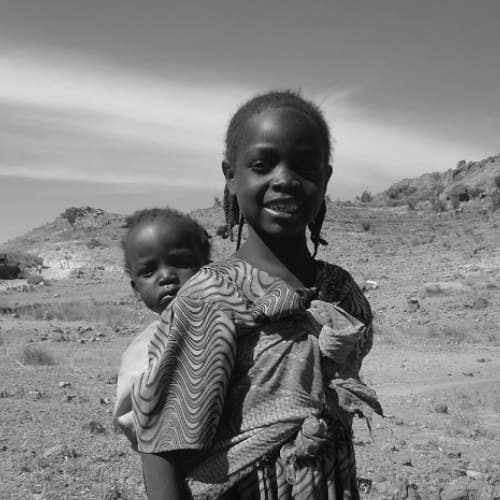
The Sudanese Civil War became a breeding ground for the enslavement of African women and children. Abduction, rape, beatings, forced conversions, and genital mutilation became a haunting reality for countless individuals.[3] Between 1995 and 2011, Christian Solidarity International, a grassroots human rights group, undertook remarkable efforts, liberating over 100,000 of these slaves through European and American-funded slave buy-backs. However, the magnitude of the issue persisted, and even after the split of South Sudan from the north in 2011, an estimated 35,000 individuals remained enslaved in the northern region
The distressing plight of Africa’s Black slaves should strike a chord within our hearts and compel us to take action. Jacobs passionately asserts, “Human bondage is a moral outrage. All decent people should see its victims as their own brothers, sisters, and children and act to rescue them. It is time for human rights groups to focus on freeing Africa’s slaves.”[4] The urgency to combat modern-day slavery in Africa has never been greater, with countless lives hanging in the balance.
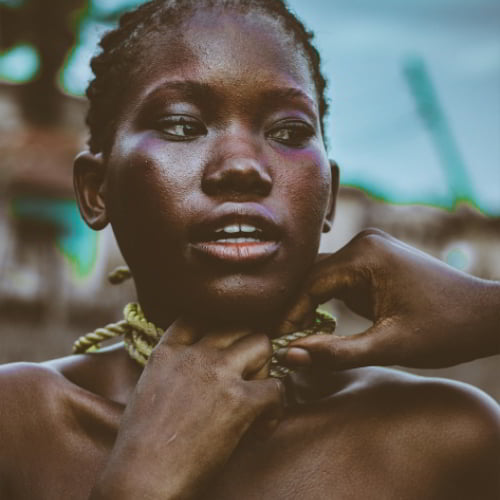
One of the most widely publicized incidents of modern-day slavery occurred in 2014 when Boko Haram, a terror group, kidnapped and enslaved hundreds of Christian schoolgirls in Nigeria. This heinous act sparked international outcry and led to the emergence of the powerful #BringBackOurGirls movement. Former First Lady Michelle Obama, along with numerous celebrities, joined forces to amplify the message of rescuing these innocent girls.
The harrowing stories of Boko Haram’s victims are deeply disturbing. Many of these young girls were forced into the clutches of sex trafficking, where their lives were irreversibly shattered.[5] The militants even resorted to using victims as suicide bombers, displaying an unimaginable level of cruelty and disregard for human life. The international community must not turn a blind eye to the ongoing attacks and raids on Christian villages in Nigeria, where inhabitants face routine killings and enslavement.
Click here, to read more about this article.
Click here, to read more blogs in Gospel for Asia.Net


Comments
Post a Comment