Clean Water: Christian Organizations Respond to Need

While on earth, Jesus indicated that when His disciples give water to the thirsty—serving the “least of these”—it is as if they are doing it for the Savior Himself (Matthew 25:37-40). Elsewhere, He declared that even a cup of water given to those in need will surely earn a reward (Matthew 10:42). With these teachings in mind, it’s only natural that when 1.1 billion people are in need of clean water,
1 Christian organizations are responding to this need with practical help.

Humans require water to survive, for hydration and hygiene as well as for cooking and agriculture. Yet contaminated water leads to a host of diseases, such as diarrhea, cholera, dysentery, typhoid and polio.2 Many areas that lack clean water also lack adequate medical facilities, and these diseases can lead to death. It’s estimated that unsafe water causes 485,000 diarrheal deaths each year, many of them preventable.3
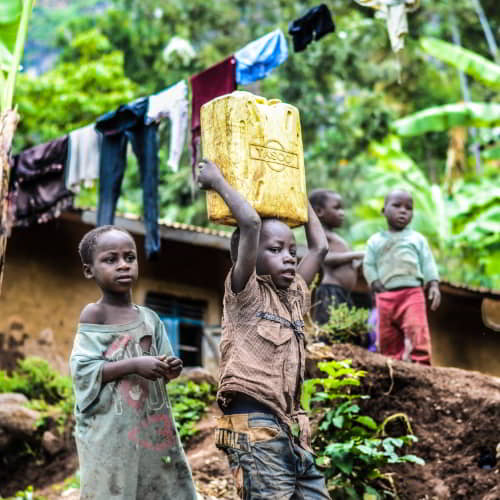
Children are at the highest risk. The World Health Organization attributes 1.6 million deaths of children each year to unsafe water, poor sanitation and lack of hygiene.4 These conditions also affect education. There are many areas where people must walk 30 minutes or more just to collect water, which is often unsafe to drink. This tedious task typically falls to females, which can hinder girls’ ability to attend school.5 Sickness caused by unsafe water can also cause children’s education to suffer.

The numbers are staggering, the suffering extensive.

With Christlike compassion, many Christian organizations are responding to this crucial need by helping provide clean water in areas where it is needed most. GFA World has been serving “the least of these” in Asia since 1979 and recently expanded into Africa. These areas represent the largest percentage of people lacking access to safe drinking water.6


Click here, to read more about this article.

Click here, to read more blogs in Gospel for Asia.Org

Comments

Popular posts from this blog

What Is the Poverty Cycle?

Where Can I Learn How to Break the Cycle of Poverty?

What Do I Need to Know about the Global Poverty Rate?