Addressing Wealth Disparities: A Call for Human Rights and Social Justice
Wealth inequality and poverty are pressing global issues that require urgent attention to uphold human rights and promote social justice. This article delves into the challenges posed by addressing wealth disparities, the persistence of extreme poverty, and the need for fair employment and rights at work. By exploring these issues, we can strive for a more equitable and just society for all.
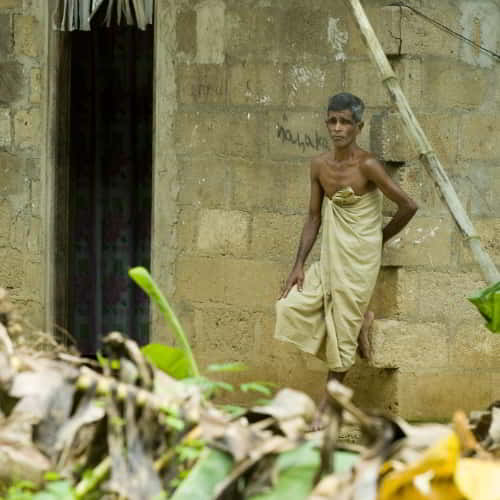
According to recent data, the concentration of wealth in the hands of a few is staggering. A report by Credit Suisse revealed that the top 1 percent of the world’s richest individuals control 50 percent of global wealth, while the top 10 percent control 88 percent.[1] This alarming inequality poses significant challenges to social justice and economic stability.
Despite progress in some regions, extreme poverty remains unacceptably high worldwide. The World Bank’s “Poverty Puzzle” report introduced additional poverty thresholds, such as $3.20 and $5.50 per day, alongside the traditional $1.90 threshold. These figures reveal that a quarter of the world’s population survived on $3.20, and nearly half lived on less than $5.50 per day.[2] Such disparities indicate the need for comprehensive efforts to combat poverty and ensure human dignity for all.
The widening gap between the rich and the poor has far-reaching consequences, extending beyond economic disparities. The World Economic Forum recognizes this growing disparity as a major threat to global financial stability. This inequality exacerbates social polarization, hampers social mobility, and undermines the principles of human rights and social justice.

Wealth inequality persists due to a myriad of interconnected factors. These include social prejudice, gender discrimination, limited access to quality education, inadequate healthcare, and more. Addressing these structural injustices is vital for achieving meaningful progress in human rights and social justice.
These situations are not confined to a particular region but persist across Asia and other parts of the world. The complex web of factors reinforces the need for collective action to dismantle systemic barriers and promote equitable opportunities for all individuals.
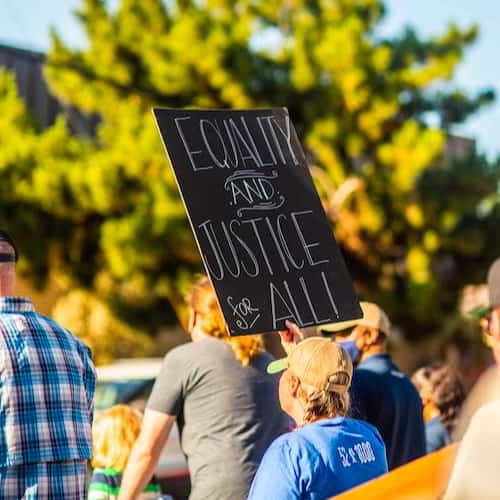
Fair employment practices and labor rights play a pivotal role in advancing social justice. The United Nations’ annual World Day of Social Justice, observed on Feb. 20, highlights the significance of fair employment and the protection of workers’ rights. By championing fair employment practices, we can foster inclusive societies and reduce wealth disparities.
Ensuring workers’ rights to fair wages, safe working conditions, and collective bargaining empowers individuals to escape poverty and achieve economic security. Recognizing the fundamental importance of these rights is essential for addressing wealth inequality and promoting social justice.
Click here, to read more about this article.
Click here, to read more blogs in Gospel for Asia.Net


Comments
Post a Comment