A Quest for Access to Clean Water
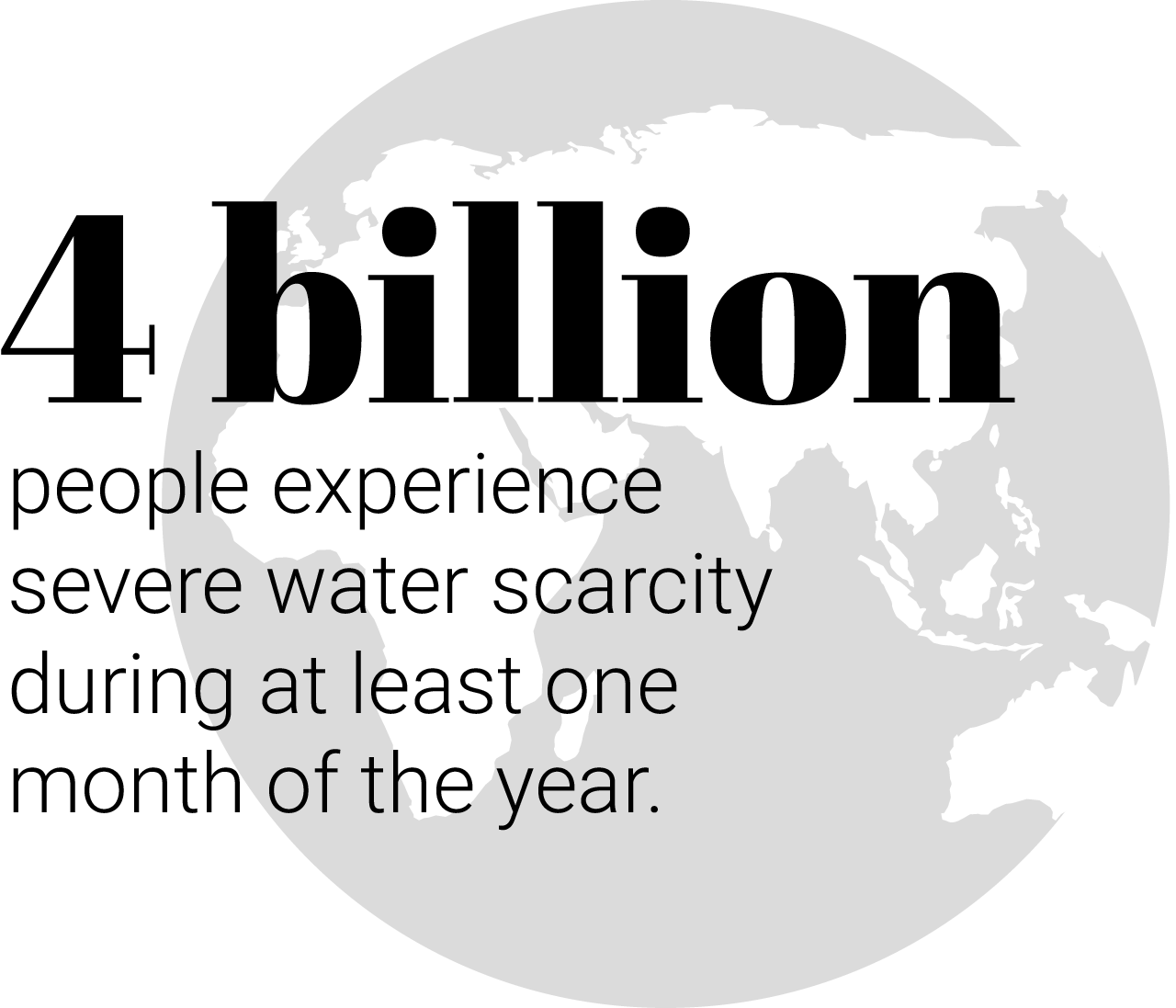
More than 70 percent of earth’s surface is covered in water, yet 1.1 billion people lack access to clean water that’s safe to drink.1 Many people in developing countries rely on surface water for their everyday needs, but those sources can fluctuate with seasonal rainfalls. It’s estimated “4 billion people experience severe water scarcity during at least one month of the year.”2
Because water is indispensable to sustaining life, the United Nations considers access to safe drinking water a basic human right.5 Yet many are still in search of that right.
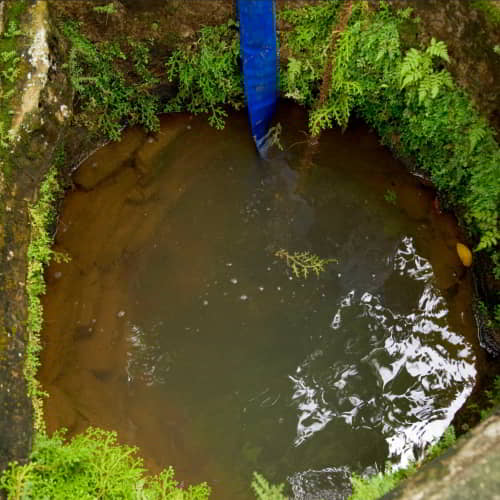
But this water they struggle to obtain may be contaminated. Many water sources in developing regions contain fecal matter, arsenic or other pollutants.6 Unclean water may cause diseases such as diarrhea, cholera, dysentery, typhoid and polio.7 In developing countries, approximately 80 percent of illnesses can be attributed to unclean water and poor sanitation.8 Each year, approximately 95,000 people die from cholera and 129,000 from typhoid.9
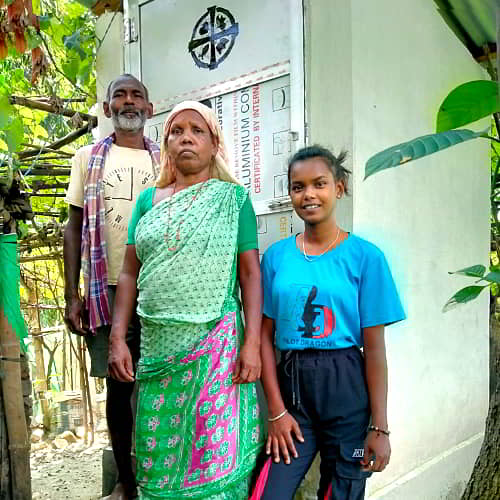
The risk for waterborne diseases is particularly high among children. Every year, diarrhea alone prevents 446,000 children from reaching the age of 5,12 while 1.6 million child deaths may be attributed to the combination of unsafe water, poor sanitation and lack of hygiene.13
Many of these deaths are preventable, if only people have proper sanitation and access to clean water. Clean water initiatives help protect families from sickness and helps children grow healthy and strong, if only they have access to it.
Click here, to read more about this article.
Click here, to read more blogs in Gospel for Asia.Org


Comments
Post a Comment