What Is the Purpose of Faith-based Disaster Relief Organizations?
1 John 3:17 asks an important question: “But whoever has this world’s goods, and sees his brother in need, and shuts up his heart from him, how does the love of God abide in him?” That verse spells out just one purpose of faith-based disaster relief organizations. Here are others:
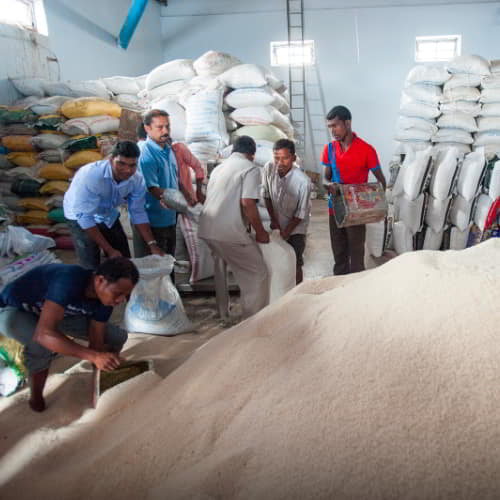
Bring tangible help – Tangible help is essential after a disaster or natural emergency. People need immediate assistance with food, clothing, medical care and shelter. People are often left with nothing. Families may lose homes, possessions, and sources of income in a matter of hours. They need to start their lives completely over. Relief organizations can provide the help to get people back on their feet again.
These organizations may also help the whole community. For example, they can provide clean water in areas where infrastructure has been destroyed. This may be done immediately through tanks of water. It can also happen long term, by helping drill a new well or repairing the infrastructure. According to American Red Cross data, emergency shelters can house thousands of people during major disasters.
In the first hours after natural disasters, families may need safe water, basic medical help, and temporary shelter.[2] A careful disaster response also asks good questions and responds with respect, not assumptions. Many public guides suggest giving money through trusted organizations, because it helps teams buy what is needed and adapt as needs change.[3] Coordinating with local authorities helps relief groups avoid duplication and fill actual gaps in service. Strong disaster preparedness can also begin long before a crisis, with simple plans and practiced routines that reduce harm.[4]
Click here, to read more about this article.
Click here, to read more blogs in Gospel for Asia.Org


Comments
Post a Comment