What Is a Bible Verse about Helping Orphans and Widows?
A Bible verse about helping orphans and widows is James 1:27: “Pure and undefiled religion before God and the Father is this: to visit orphans and widows in their trouble, and to keep oneself unspotted from the world.”
This verse gives us incredibly practical steps for living out our faith. Throughout Scripture, widows and orphans are always on the heart of God, as clearly stated in Exodus 22:22: “You shall not afflict any widow or fatherless child.”
Scripture always reveals God’s special concern for the fatherless and the widow. This pattern appears throughout both testaments, showing God’s unchanging character.
What Does the Bible Say About Orphans and Widows
What does the Bible say about orphans and widows? The Lord commands His people to protect and provide for them, caring for them deeply.
God’s Character and Commands:
- In Deuteronomy 10:18, Scripture says that God “executes justice for the fatherless and the widow, and loves the stranger, giving him food and clothing.” This verse shows that the Lord your God actively defends weak people.
- Psalm 68:5 calls God “a father of the fatherless, a defender of widows,” showing that God in His holy dwelling cares deeply for those without earthly care.
- Psalm 82:3 commands believers to “defend the poor and fatherless; do justice to the afflicted and needy.” These verses reveal God’s heart for society’s most weak people.
- Isaiah 1:17 gives clear instructions: “Seek justice, correct oppression; bring justice to the fatherless, plead the widow’s cause.” The fatherless and the widow appear together repeatedly in Scripture because both face similar risks. Biblical scholars note that protecting widows and orphans shows true religion in action.
Old Testament Provisions:
- The Old Testament law set up specific help for their care.
- Farmers were told to leave portions of their harvest for widows and orphans to glean. Deuteronomy 24:19-21 told landowners not to return for forgotten sheaves, allowing the poor, stranger, fatherless, and widow to gather them. This system gave dignity alongside help.
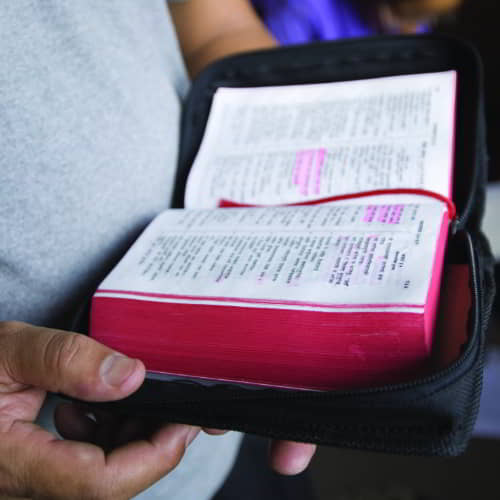
- Proverbs 15:25 states that “the Lord will destroy the house of the proud, but He will set the land of the widow.” God actively protects those who cannot protect themselves. He defends their property rights when human systems fail them. This divine care offers hope to widows facing injustice.
- The prophets spoke against those who neglected or exploited these weak groups. Jeremiah and Isaiah both spoke strongly against injustice toward widows and orphans. God promised blessings for communities that cared for them and warned of judgment for those who hurt them.
- Zechariah 7:10 warns: “Do not oppress the widow or the fatherless, the alien or the poor.” This command appears alongside bans on major sins. It shows how seriously God views harming weak people. Scripture teaches that how we treat widows and orphans reflects our bond with God.
By the time we reach the New Testament, many of Jesus’s teachings, as well as the Apostles’, aren’t just about what not to do. Instead, they tell us what to do as a result of our faith.
- James connects pure religion directly to caring for orphans and widows in distress, stressing action rather than mere belief. The early church took this teaching seriously. Acts 6:1-6 describes how the apostles chose deacons to ensure widows received daily food distribution.
- First Timothy 5:3-16 provides detailed instructions for supporting widows within the church community. Paul gave criteria for which widows should receive ongoing support, and the passage shows the early church’s planned care. These believers knew that faith without works is dead.
- Paul told apart widows who had family support from those truly alone in the world. The church put first helping widows who had no one else to care for them. This wisdom made sure resources reached those in greatest need.
- Jesus Himself showed care for widows throughout His ministry. In Luke 7:11-17, He raised the only son of a widow in Nain. This miracle gave back not only her son’s life but also her means of support and social standing. Seeing her desperate situation, Jesus responded with immediate care.
GFA World’s Ministry to Widows
GFA missionaries live out these verses and demonstrate their faith by seeking out widows in some of the hardest places on earth.
- These widows are often destitute. They may live in slums, be forced to beg, struggle to survive and be vulnerable to violence and discrimination. For many widows, one of the worst parts of widowhood is the isolation they experience.
- In places such as Africa and Asia, widows commonly bear the burden of stigma and discrimination, in addition to their grief. They may be blamed for their husband’s death and viewed as cursed.[1] It’s commonplace for widows’ own families to reject them, leaving them to fend for themselves.
- UN Women reports that about 258 million widows live worldwide, with nearly one in ten facing extreme poverty. This is a crisis. Many face denial of rights and property, as cultural traditions often strip widows of their homes and livelihoods.
- In some communities, widows lose access to their late husband’s land and possessions when extended family members seize property, leaving them homeless. The World Bank documents how legal systems often fail to protect widows’ rights, mainly in developing nations.
GFA missionaries witness these hardships daily as they serve in communities across Africa and Asia, seeing widows struggle to feed their children without support. Through prayer and kind action, GFA workers bring hope to desperate situations. God may bless these efforts as His people obey biblical commands to care for weak populations.
Many widows lack basic needs like clean water, good shelter, and healthy food. The need is urgent. GFA missionaries provide emergency relief to meet urgent needs while addressing both immediate crises and root causes of poverty through a full approach.
Widows often face blocks to education and jobs that GFA programs help them overcome. Literacy classes let widows read Scripture and manage basic finances, while studies show that educated mothers send their children to school more often, breaking cycles of poverty.
Click here, to read more about this article.
Click here, to read more blogs in Gospel for Asia.Org


Comments
Post a Comment