What Is the Best Help for Widows?
Though widows face multiple barriers to living safely and above poverty, their access to stable income remains one of the biggest challenges. Help for widows can come in many forms. Employment and income generation are among the most beneficial.
The emotional trauma of losing a spouse often compounds financial hardship. Grief intersects with practical survival challenges. Research from the World Bank reveals that widows globally face systemic barriers to property rights and economic participation. Legal systems in many nations offer little recourse when widows lose inheritance.[11]
In many countries, assistance for widows includes both governmental and nonprofit programs. These range from monthly income support to vocational training initiatives. Surviving spouse benefits, such as social security survivor benefit payments in the United States, provide crucial monthly income.[3] Eligible widows can receive these payments as early as age 60, or age 50 if disabled. The amount depends on when they begin claiming benefits. Those who wait until full retirement age receive 100 percent of their deceased spouse’s benefit amount.[12]
These government benefits help offset the immediate financial crisis many families experience. However, understanding how to navigate complex application processes often proves challenging. The Social Security Administration provides resources to guide widows through eligibility requirements and filing procedures.[13]
Global Poverty and Cultural Challenges Facing Widows
Global organizations recognize that effective support for widows requires more than charity. It demands sustainable empowerment through education and economic opportunity. The United Nations emphasizes that help for widowed women must address both immediate needs and long-term self-sufficiency. Short-term aid without capacity building leaves widows vulnerable to recurring poverty cycles.
According to UN Women, one of the best ways to help widows is to, “Empower widows to support themselves and their families and live with dignity by ensuring access to education and training opportunities, decent work and equal pay, and by reversing social stigmas that exclude, discriminate, or lead to harmful and violent practices against widows.”[1]
The challenges widows face vary significantly by region and culture. While international widows confront inheritance denial and social stigma, widows in developed nations face different but equally serious obstacles. Housing insecurity, unexpected debt, and loss of health insurance frequently threaten newly widowed families.
Studies by the Consumer Financial Protection Bureau show that recently widowed older adults in the United States experience higher poverty rates and greater housing cost burdens. More than one million adults aged 60 and older lost a spouse in 2019 alone.[4] Many discover unexpected credit card debts or medical bills after their spouse’s death. Unresolved financial obligations can quickly overwhelm a grieving family.
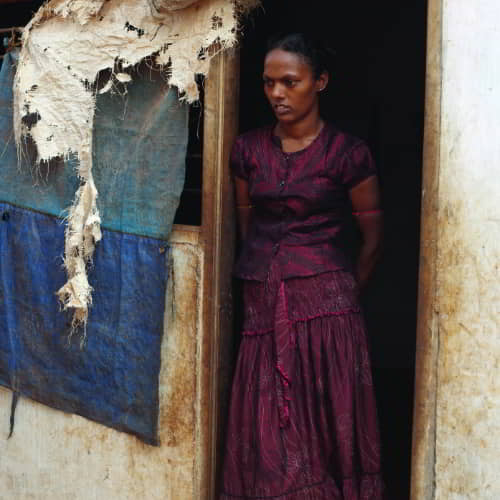
The UN reports that poverty strikes widows for various reasons, including the following:
- Many widows have limited or no rights to inherit property or land, as determined by customary and religious laws.
- Widows often rely on the charity and support of their late husbands’ relatives to make a living.
- In certain South Asian countries, widows may be disowned by their own families. This leaves them without a home.
- Some widows are forced to work as domestic helpers, resort to begging, or even engage in prostitution to survive.
- Widows often struggle to access credit or other financial assistance resources, making it difficult for them to provide for their children’s needs or pursue education.
- In some cases, widows can become responsible for the debts left behind by their deceased spouses.[2]
These financial pressures make credit counseling essential for many widows. Professional guidance helps them understand their rights and obligations regarding inherited debt. Nonprofit agencies offer free services to help widows navigate debt management and budget creation after the trauma of loss. Counselors can negotiate with creditors and create sustainable repayment plans.[5]
Beyond debt counseling, widows need access to community support and emotional healing resources. Isolation compounds grief and makes financial challenges feel insurmountable. Professional financial coaching combined with peer support groups creates a comprehensive safety net.[14] Organizations like Wings for Widows provide free virtual coaching sessions with certified financial planners. These services help widows develop budgets, understand investment options, and plan for long-term stability. The combination of professional expertise and peer support addresses both practical and emotional needs.
While social security benefits and survivor benefits serve widows in some nations, billions of widows worldwide lack access to any structured support. In developing regions, governmental safety nets rarely exist. Cultural discrimination and legal barriers prevent widows from accessing even basic services. UN Women reports that nearly one in ten widows lives in extreme poverty. Approximately 258 million widows exist globally, many facing severe economic hardship. Women are also much less likely to have access to pensions than men, making the death of a spouse particularly devastating financially.[6] This staggering reality demands urgent attention and comprehensive intervention strategies from governments, nonprofits, and faith communities working together.
Click here, to read more about this article.
Click here, to read more blogs in Gospel for Asia.Org


Comments
Post a Comment