What is Adult Literacy?
Statistics indicate 781 million adults lack basic literacy skills.1 Illiteracy is most prevalent in developing countries, with one in every two adults lacking such skills.2 But what does that mean? What is adult literacy?

Literacy generally refers to basic reading and writing skills as well as the ability to perform simple math calculations, also called numeracy.
The specific skill level required to achieve “literacy” varies according to the specific definition used.4 In the 1930s and 1940s, for instance, literacy referred simply to the ability to read and write a message, but more recent definitions focus on effective application of these skills, or “functional literacy.”5

“Literacy is the ability to identify, understand, interpret, create, communicate and compute, using printed and written materials associated with varying contexts. Literacy involves a continuum of learning in enabling individuals to achieve their goals, to develop their knowledge and potential, and to participate fully in their community and wider society.”6
The National Council of Teachers of English broadens the scope of literacy beyond simple reading and writing skills to how we interact with the world around us and how we communicate with others, whether that communication is via reading and writing or by speaking, listening and creating.7

Yet, in low- and middle-income countries, 53 percent of children don’t gain basic reading skills by the end of primary school, and the level is as high as 80 percent in poor countries.8
According to Concern USA,
“Students who struggle to read … are more likely to drop out of school before they can complete a basic education.”9
These individuals are more likely to enter adulthood illiterate, which hinders economic opportunities and everyday tasks. Illiteracy can also cause shame and contribute to low self-esteem.10
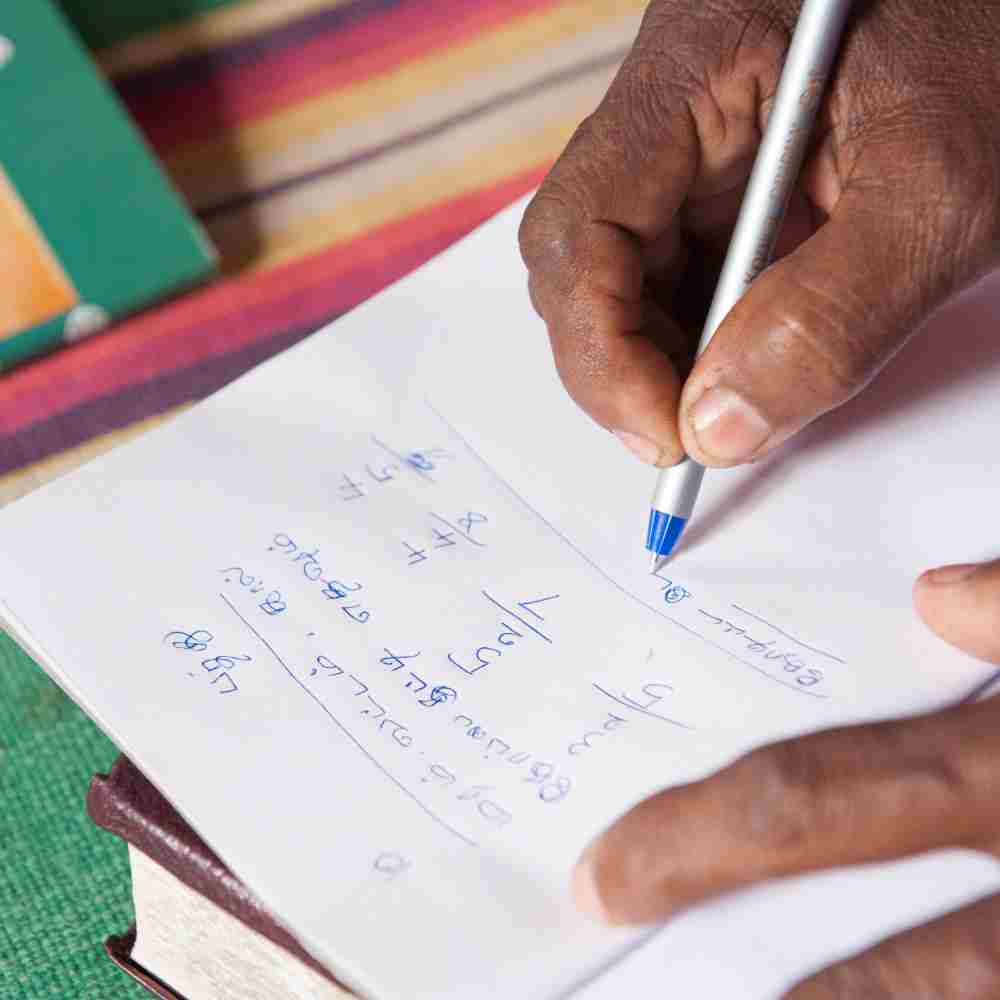
“Literacy empowers individuals and improves their lives by expanding their capabilities to choose a kind of life they can value, a driver for sustainable development.”11
Simple reading and writing skills, along with basic math skills, greatly improves a person’s chances of success, and increased literacy skills within a community enhances the entire society.12
Click here, to read more about this article.
Click here, to read more blogs in Gospel for Asia.Net


Comments
Post a Comment