Unveiling the Hidden Realities of Global Slums: Insights into Impoverished Communities
The World Urban campaign shared valuable insights into the experience of living in impoverished communities back in 2016.[1] lack of recognition from governance frameworks against those who live in slums, global discrimination, limited access to land and property, tenure insecurity, and the constant threat of eviction. Moreover, they struggle with precarious livelihoods, high exposure to disease and violence, and increased vulnerability to the adverse impacts of climate change and natural disasters due to their geographical location.
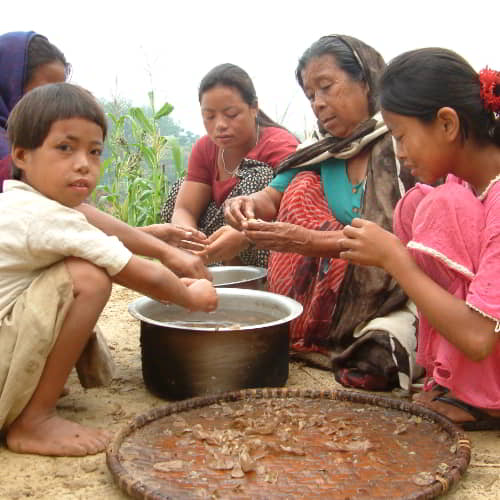
Children in slums are exposed to a range of adverse conditions, while unskilled youth find themselves excluded from economic and employment opportunities. People with disabilities suffer due to the dilapidated infrastructure in slums, and migrants, refugees, and internally displaced persons face additional vulnerability and marginalization due to their uncertain status and lack of resources.
By delving deeper, we can gain a comprehensive understanding of the classification of impoverished communities, and the diverse challenges of slum communities worldwide. Let’s explore some examples:
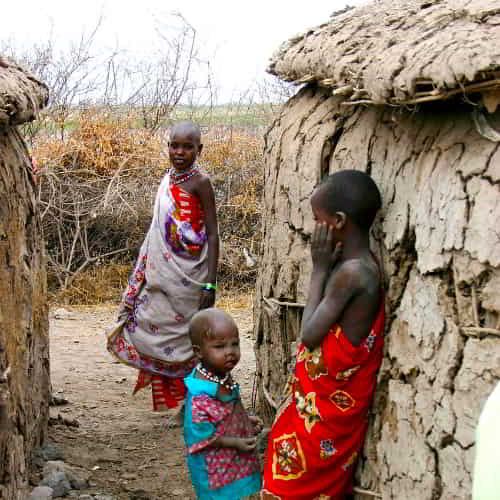
In Nairobi, Kenya, slums occupy only six percent of the total residential land area, yet 60 percent of the city’s residents call this small fraction home. Sanitation poses a significant problem in Kibera. Research conducted by Samantha Winter, a post-doctoral fellow at Rutgers University, revealed that a third of women in the area continue to defecate in the open during daylight hours. Even when public facilities are available, some choose to do so out of concerns for personal safety and privacy. Others lack the means to pay the fee required to use a public facility.[2]
The Borgen Project describes Kibera as one of the world’s largest and most impoverished slums, where overcrowding, unsanitary housing conditions, alcohol abuse, and crime are everyday realities. Open sewers are common, and multiple families often share a single latrine. When the latrine becomes full, boys are employed to empty and clean it, often dumping the waste into the river.[3]
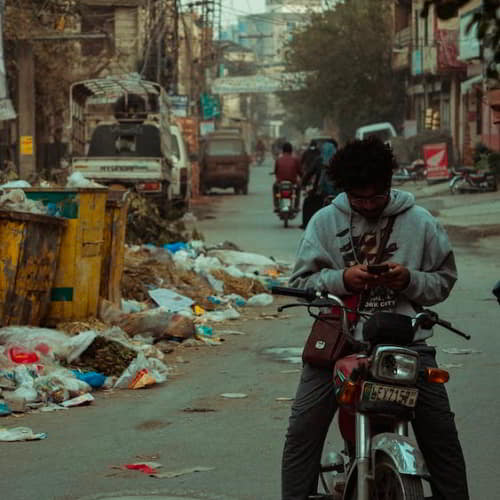
Karachi, Pakistan’s largest impoverished community, is characterized by its high population density of over 70,000 people per square mile.[4] More than 80 percent of its residents have informal jobs,[5] reflecting the challenges faced by those living in poverty-stricken areas.
Manshiet: Garbage City and Livelihood Struggles
In Cairo, Egypt, the largest slum is known as Manshiet or “Garbage City.” Here, residents often resort to sleeping in graveyards when other abandoned spaces are not available.[6] Their primary occupation revolves around scavenging through piles of trash, determining what items are sellable and what are not. Families specialize in scavenging specific types of waste products, earning a living by transporting desirable items to recycling clients.[7]
Click here, to read more about this article.
Click here, to read more blogs in Gospel for Asia.Net


Comments
Post a Comment