Supporting Charities that Help Widows
There is a group of women who need special care and attention but often find themselves marginalized and ignored: widows. Charities that help widows understand the myriad of difficult situations women find themselves in once their spouses die. From cultural assumptions to legislative restrictions, widows are one of the most vulnerable groups in the world. Modern Widows Club reports that over 676 annual meetings and activities help create support groups where widows find community and healing. This demonstrates how charities supporting widows work to foster connections and promote recovery. The modern widows club movement has expanded to serve thousands of women through both virtual and in-person communities.
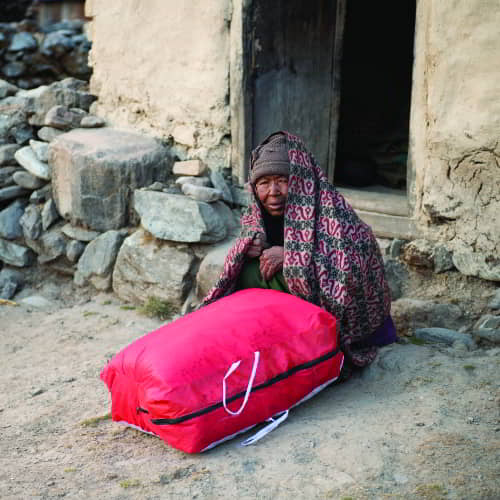
The Global Reality for Widows
The United Nations estimates that there are 258 million widows in the world. The plight of widows is a deeply entrenched issue that demands urgent attention. With their unique circumstances and vulnerabilities, widows often face a myriad of challenges. These range from denial of inheritance rights to enduring extreme stigma and discrimination. Research from World Economic Forum indicates that one in ten women of marital age is widowed globally. The Middle East and North Africa saw a 24 percent increase in widows between 2010 and 2015, partly due to conflict.
To shed light on the experiences and amplify the voices of widows, the United Nations designated June 23 as International Widows’ Day in 2011. The UN established this day “to draw attention to the voices and experiences of widows and to galvanize the unique support that they need.”[1] Data shows that one in seven widows globally lives in extreme poverty, highlighting the urgent need for comprehensive aid.
“Experience from the past, shows that widows are often denied inheritance rights, have their property grabbed after the death of a partner, and can face extreme stigma and discrimination, as perceived ‘carriers’ of disease,” the United Nations reports. “Worldwide, women are much less likely to have access to old age pensions than men, so the death of a spouse can lead to destitution for older women.”[2] These barriers make it difficult for local widows to rebuild their lives within their own communities. According to research in Scientific Reports, widows living alone face 56 percent higher risk of depression compared to those who co-reside with family.
Now more than ever, charities that help widows are crucial. Despite the progress made in restoring rights and justice to widows in this century, they continue to be marginalized in various parts of the world. This includes developed nations. Effectively providing help for widows requires tailored approaches. These must address the specific needs of each country or region. Programs like wings for widows focus specifically on financial coaching to help newly bereaved spouses navigate complex economic transitions. Wings for Widows provides local support through financial coaching and educational resources nationwide. This helps widows navigate complex financial challenges after loss. The organization has helped clients save over $1.5 million in fees they would have otherwise paid to financial advisors.
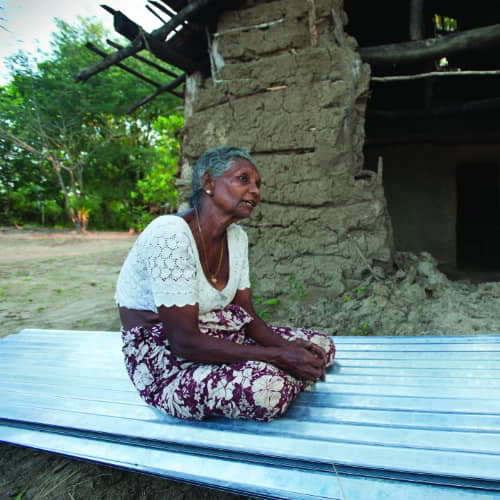
Organizations that help widows and orphans must be prepared to address the barriers that they encounter. Orphaned children, who often face hardships such as the loss of parental support and limited access to education and healthcare, require special attention. Additionally, in many parts of Africa, marriage guarantees women’s rights, including property ownership. This further emphasizes the importance of supporting widows.[4] Creating a safe environment for widows helps them regain stability and confidence after loss. Hope for Widows Foundation serves approximately 13 million widows in the United States and 800,000 newly widowed annually through grants and community support.
“Women frequently inherit nothing when a marriage ends, and official legal systems offer little recourse,” reports the World Bank. “Some may even lose their children to the husband’s lineage. Broader patterns of gender inequality add to the heavy burden on women’s shoulders. They are shut out of labor markets, have fewer productive assets, and bear greater responsibility for the care of children and the elderly.”[5] Both widows and widowers face similar challenges, though women experience higher rates of poverty and social isolation. Widows Empowerment Trust promotes social inclusion through peer support and community activities. The organization strives to counteract loneliness and loss of confidence by offering befriending calls, home visits, and social outings for bereaved spouses.
Click here, to read more about this article.
Click here, to read more blogs in Gospel for Asia.Org


Comments
Post a Comment