Initiatives to Combat the Global Poverty Crisis
This situation of the COVID-19 pandemic helps to accentuate the importance of the International Day for the Eradication of Poverty, observed annually on Oct. 17 since 1993. Its origins go back even further. On Oct. 17, 1987, more than 100,000 people gathered in the Tracadero in Paris, site of the signing of the Universal Declaration of Human Rights in 1948. The declaration honored the victims of extreme poverty, violence and hunger and affirmed the need to come together to respect human rights.[1]
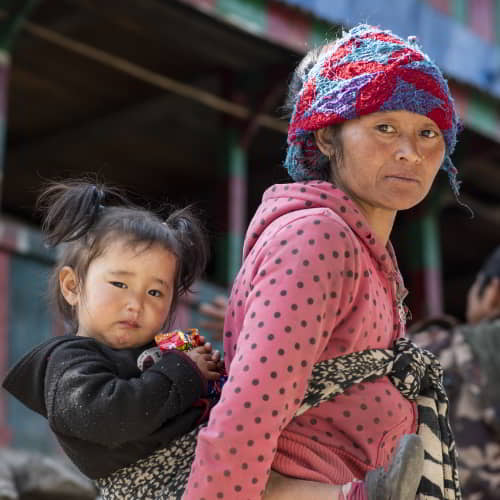
“In a world characterized by an unprecedented level of economic development, technological means and financial resources, that millions of persons are living in extreme poverty is a moral outrage,” said a UN statement issued prior to the 2020 event. “Poverty is not solely an economic issue, but rather a multidimensional phenomenon that encompasses a lack of both income and the basic capabilities to live in dignity.
“Persons living in poverty experience many interrelated and mutually reinforcing deprivations that prevent them from realizing their rights and perpetuate their poverty, including:
- dangerous work conditions
- unsafe housing
- lack of nutritious food
- unequal access to justice
- lack of political power
- limited access to health care.”[2]
Click here, to read more about this article.
Click here, to read more blogs in Gospel for Asia.Net


Comments
Post a Comment